Last updated September 24, 2026
New windows and doors improve comfort, cut energy bills and add long-term value to your home. Sightline Windows & Doors Clewiston pairs proven product lines with our own installing crews for lasting performance - and a price we put in writing.
1. Choose your installer
The unit is half the job - the install is the other half. Our own background-checked crews measure, set, seal and insulate every opening, and they know the lines we quote inside and out because they install them every week.
2. Select the right products
Compare styles, materials and glass packages side by side until the fit is right for your rooms, your budget and your goals. The product-line comparison below is the place to start.
3. Prepare your home for install
Before install day we walk you through a short checklist - furniture pulled back, treatments down, a clear path to each opening - so install day is watch-it-happen, not scramble.
Compare the Lines We Quote
Every project is priced on the same lines, side by side - the price indicators below are relative, and your consultant shows exact numbers on your actual openings.
PGTThe line Florida homeowners arrive naming - the most Miami-Dade certifications in the industry$$$
- More Miami-Dade NOA certifications than any other line we quote
- WinGuard, EnergyVue and ClassicVue Max systems built for every wind zone
- 99% on-time delivery keeps your install date on the calendar
CGIThe heavyweight impact line$$$$$
- Large-missile impact ratings for the strictest wind zones
- Architectural-grade aluminum with commercial-depth frames
- The line we quote when protection is the whole point
CWSThe Florida value pick$$
- Vinyl systems built in Florida for Florida codes
- Strong energy packages at the friendliest price point
- The smart start for whole-home replacements on a budget
ESWSlim lines, big glass$$$$
- Narrow-sightline aluminum for modern elevations
- Oversized openings and floor-to-ceiling glass
- Impact-rated without the bunker look
ECOThe aluminum impact workhorse$$$
- Miami-built aluminum impact systems
- A strong price-to-protection ratio for coastal homes
- Proven inventory lines with short lead times
Windows & Doors Warning Signs: A Clewiston Homeowner’s Reference Guide
A fogged window and a leaking window frame can look nearly identical from your living room. One means the insulating seal has failed, a $280-$450 repair in the Clewiston market. The other means water is entering your wall cavity, and remediation can exceed $4,000 once framing, insulation, and interior finish are addressed. Most warning sign guides online lump these together as “time to replace,” which costs homeowners money they did not need to spend or delays action on damage that is actively worsening; for a deeper dive, see our Complete Guide to Windows & Doors in Clewiston. This reference assigns every warning sign a severity tier, a specific timeline for action, and a documentation method so you can communicate clearly with your insurance carrier or contractor.
Quick Answer
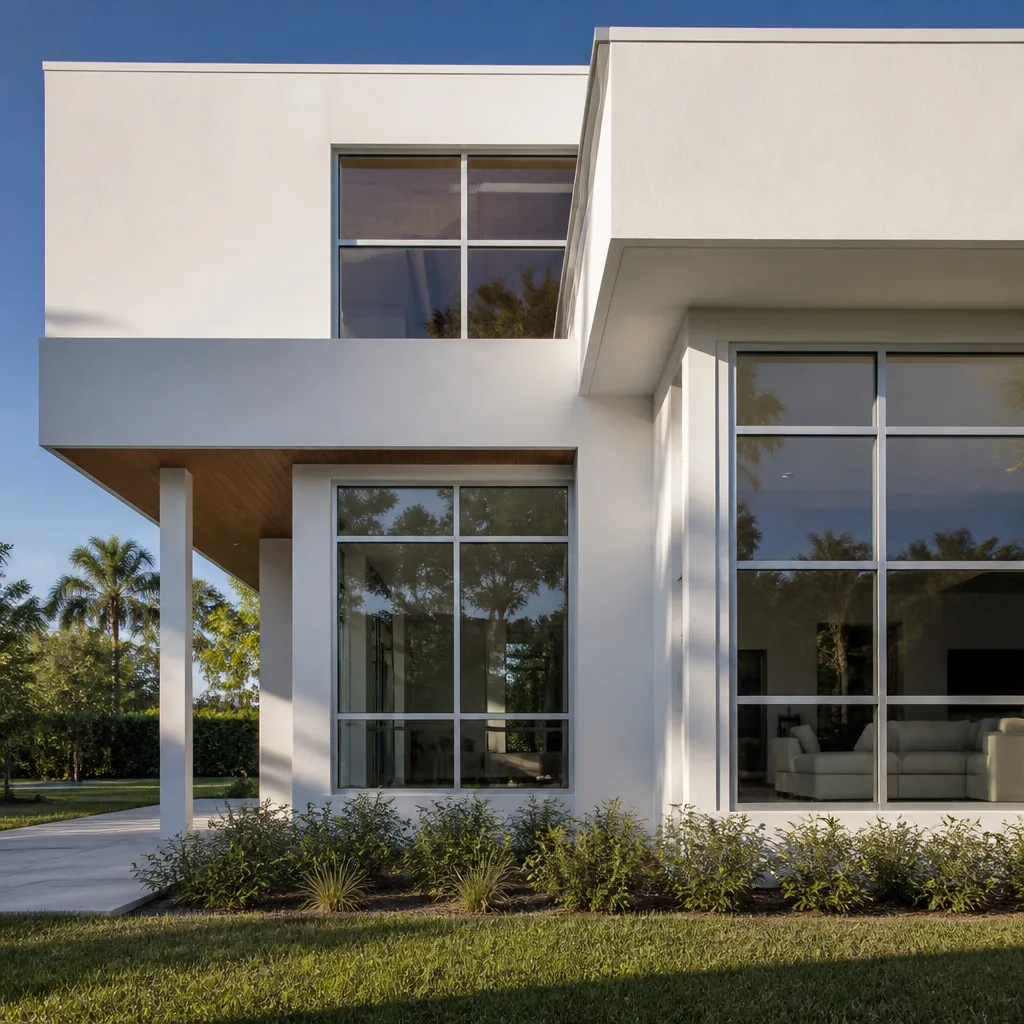
Windows and doors in Clewiston show four distinct severity tiers of warning signs. Tier 1 (monitor): interior condensation, stiff hardware, minor sealant cracks. Tier 2 (repair within 30 days): fogged insulating glass, blocked weep holes, compressed weatherstrip. Tier 3 (act within one week): daylight at frame-to-wall junction, active interior staining, doors that must be lifted to latch. Tier 4 (same-day): cracked impact glazing after storm impact, frame separation from rough opening, any compromise to the wind-rated envelope. Document each with dated photographs from specific angles.
 Before
 After
AfterTable of Contents
- The Four-Tier Warning System
- Tier 1: Monitor at Next Maintenance Interval
- Tier 2: Schedule Repair Within 30 Days
- Tier 3: Act Within One Week
- Tier 4: Same-Day Response Required
- How to Document Damage for Insurance and Contractors
- How Clewiston’s Climate Accelerates Specific Failures
- Common Mistakes to Avoid
- When to Call a Professional
- Frequently Asked Questions
- The Bottom Line
The Four-Tier Warning System
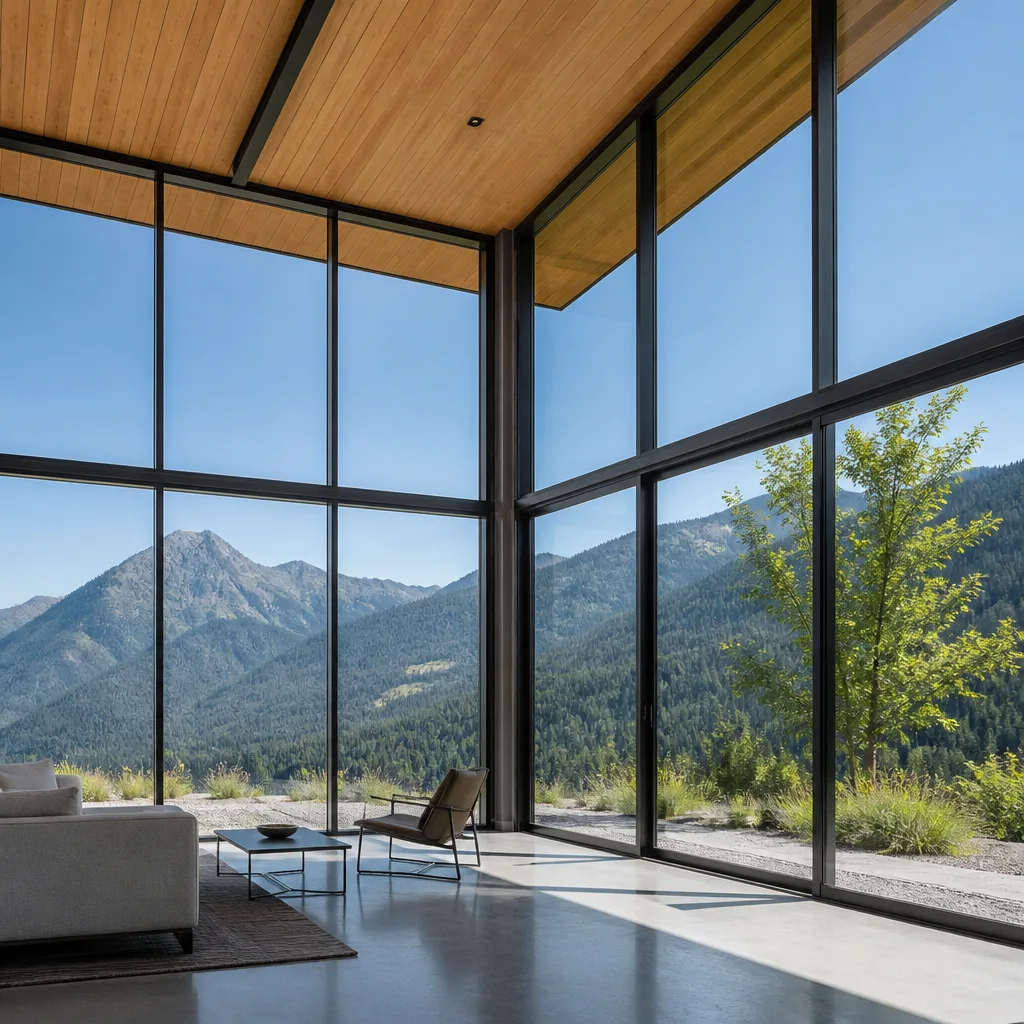
After surveying thousands of openings across South Florida since 2012, we’ve learned that homeowners need a decision framework, not a panic list. The four-tier system below separates cosmetic aging from functional failure from structural threat. Each tier carries a specific action timeline, a typical cost range in the Clewiston market, and a documentation standard.
The system works because it accounts for how Clewiston homes are built. Post-2002 construction in neighborhoods like Country Oaks and Clewiston Country Club typically uses impact-rated assemblies with flanged installation and taped drainage planes. Pre-2002 construction in the historic district near Sugarland Highway often uses replacement windows set into existing frames with caulk-dependent seals. The same symptom, daylight at the frame, means different things in these two contexts. Our tier system accounts for that.
Here’s the framework:
- Tier 1 (Monitor): Symptoms that indicate normal wear or minor maintenance needs. Document and address at your next scheduled maintenance interval, typically annually before hurricane season.
- Tier 2 (Repair within 30 days): Functional failures that reduce performance but do not yet threaten the building envelope. These progress predictably if unaddressed.
- Tier 3 (Act within one week): Active envelope compromise. Water or air intrusion is occurring, and damage to concealed components is likely without intervention.
- Tier 4 (Same-day): Structural or safety compromise, or loss of wind-rated protection. These conditions expose the home to catastrophic damage in the next storm event and may affect insurance coverage.
Every tier below includes the specific symptoms, the documentation method, and what you can expect a qualified contractor to recommend; if you’re still choosing who to call, read How to Hire a Windows & Doors Contractor in Clewiston first.
Tier 1: Monitor at Next Maintenance Interval
These symptoms look concerning but pose no immediate threat to the window or door assembly or the surrounding structure. Address them during your annual pre-season inspection, typically in April or May before the Gulf moisture pattern intensifies.
Interior Condensation on Glass Surfaces
Condensation forming on the interior surface of glass during cool mornings is not a seal failure. It indicates that interior humidity levels are high relative to the glass surface temperature, common in Clewiston from December through February when overnight lows dip into the 50s while interior humidity remains elevated from cooking, showering, and the region’s inherent moisture load.
What to check: note which windows show condensation and whether it clears by mid-morning. Condensation that persists past 10 a.m. or appears on windows in conditioned spaces with dehumidification running suggests inadequate ventilation, not window failure. Condensation between panes, however, is Tier 2, detailed below.
Documentation: photograph the condensation with a timestamp, note the exterior temperature from your weather app, and record whether the HVAC was running overnight. This establishes a baseline for comparison next season.
Minor Hardware Stiffness
Locks, latches, and operators that require slightly more force than when new typically indicate lubrication degradation or minor corrosion of brass or zinc components from salt air exposure. In Clewiston, 18 miles inland as the crow flies but within the influence zone of Gulf moisture and agricultural dust, hardware operates in a more demanding environment than inland Florida markets.
Action: clean with a dry cloth, apply a silicone-based lubricant to moving parts (never petroleum-based, which attracts dust), and operate ten cycles. If stiffness persists or worsens, escalate to Tier 2.
Small Cosmetic Sealant Cracks
Hairline cracking in exterior sealant beads, typically at the joint between window frame and siding or stucco, indicates UV degradation of the sealant material, not water intrusion. The sealant’s elastomeric properties have diminished, but the primary water management system, the window flange and drainage plane behind it, remains functional.
Monitor these cracks quarterly. If they widen to exceed 1/16 inch, or if you can insert a putty knife blade to underlying material, the sealant has lost adhesion and water may bypass the primary drainage path. That escalation moves the condition to Tier 2.
Typical Clewiston cost if addressed at maintenance: $3-$6 per linear foot for sealant removal and reapplication by a qualified technician. Ignored until failure: $180-$340 for moisture-damaged surrounding trim repair.
Tier 2: Schedule Repair Within 30 Days
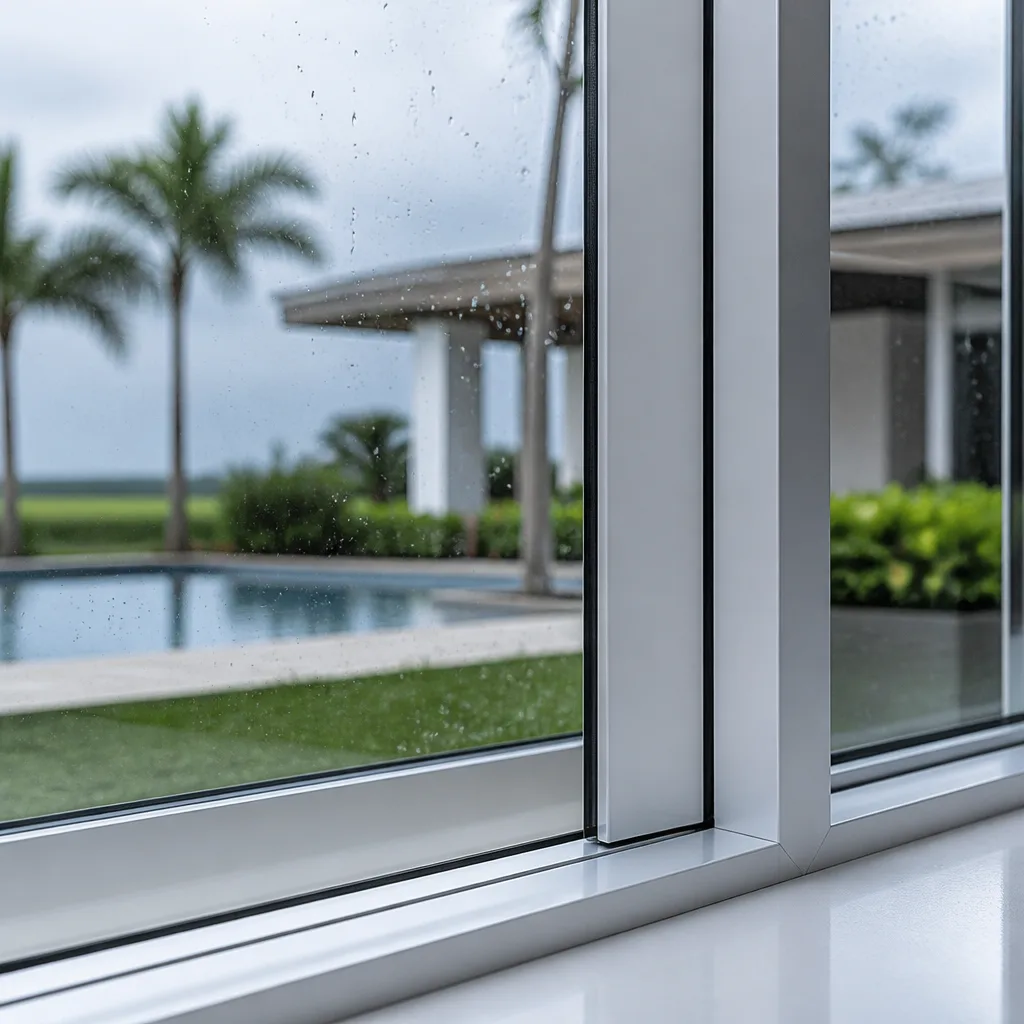
These conditions represent functional failure of a component or subsystem. The window or door still performs its basic safety and weather functions, but performance is degraded and degradation will accelerate.
Fogged Insulating Glass Units (IGUs)
When the desiccant inside the spacer bar between panes becomes saturated, moisture enters the airspace and condenses on interior glass surfaces that cannot be wiped clean. The insulating value of the unit drops substantially, U-factor performance degrades, and visible light transmission suffers.
This is not an emergency. The glass is intact, the frame is sealed, and no water enters the wall. However, the thermal performance penalty is real. In Clewiston’s cooling-dominated climate, a failed IGU in a west-facing window can add $8-$15 monthly to cooling costs from June through September.
Repair options: IGU replacement (typically $280-$450 per unit in the Clewiston market, depending on size and whether Low-E coating is specified) versus full sash or window replacement. For units under 15 years old with sound frames, IGU replacement is usually economical. For aluminum-frame single-glazed units in pre-2002 construction, full replacement with a modern vinyl or aluminum impact-rated assembly from PGT or CWS often yields better long-term value.
Documentation: photograph the fogging from interior and exterior angles in direct sunlight, when the fogging is most visible. Note the window orientation and whether the condition is constant or temperature-dependent.
Blocked Weep Holes
Weep holes are the small drainage openings at the bottom of window frames and sliding door tracks that allow water entering the frame cavity to exit to the exterior. In Clewiston, they clog predictably with dust from sugarcane harvesting operations, pollen from oak and cypress, and debris from the frequent afternoon thunderstorms that drive material against window surfaces.
Blocked weep holes cause water to pool in the frame sill, which eventually overflows to the interior during heavy rain. The window is not leaking in the conventional sense, the drainage path is simply obstructed.
Clear weep holes with a pipe cleaner or compressed air, never by drilling. Verify water flows freely by slowly pouring a cup of water into the track. If clearing does not restore drainage, the internal sill pan may be damaged or improperly sloped, requiring professional evaluation.
Weatherstrip Compression Loss
Weatherstrip that no longer springs back to original shape, or that allows a dollar bill to slide easily between sash and frame when closed, has lost its compressive seal. Air infiltration increases, but water management typically remains functional unless driven rain exceeds the reduced seal capacity.
Replacement weatherstrip is component-specific. Major manufacturers including PGT and CGI specify exact replacement profiles. Generic weatherstrip from hardware stores rarely matches the original compression geometry and may accelerate frame wear.
Typical Clewiston cost: $45-$120 per opening for professional weatherstrip replacement with manufacturer-specified material.
Tier 3: Act Within One Week
These conditions indicate active compromise of the building envelope. Water or uncontrolled air is entering the wall cavity or conditioned space, and concealed damage is likely occurring.
Visible Daylight at Frame-to-Wall Junction
Daylight visible between the window or door frame and the surrounding wall material during daylight hours means the sealant, flashing, or installation tape has failed at that location. In Clewiston’s afternoon thunderstorm pattern, wind-driven rain enters this gap directly.
The critical distinction: is the daylight at the interior trim, or at the frame itself? Interior trim gaps are often cosmetic, trim pulled slightly from the wall by seasonal humidity cycling. Frame-to-wall gaps indicate that the primary drainage plane is compromised.
To determine which you have: remove a small section of interior trim if possible, or use a flashlight and dental mirror to inspect behind the trim edge. If the gap extends to the rough opening or window flange, this is envelope compromise. If it stops at the trim, the window installation remains sound and trim reattachment is sufficient.
Documentation for this condition is critical for insurance purposes. Photograph from interior with the window backlit by exterior light, exposure set to show the gap clearly. Include a ruler or coin for scale. Photograph the same location from exterior, showing the corresponding sealant or flashing condition. These paired images allow a contractor to assess whether the failure is localized or systemic.
Active Water Staining on Interior Drywall Adjacent to Frame
Staining that is expanding, darkening, or producing any surface texture change (raising, bubbling, softening) indicates ongoing water intrusion, not a past event that has resolved. The stain color matters: yellow-brown suggests long-term slow leakage, dark brown or black suggests recent active flow or possible mold colonization.
In Clewiston’s climate, drywall adjacent to a leaking window frame can reach 20% moisture content, the threshold for mold growth, within 72 hours of continuous wetting. The visible stain is typically the smallest manifestation, water travels along the bottom plate and may affect multiple stud bays.
Action: identify the water source before repairing interior finish. Roof leaks, plumbing penetrations, and exterior wall cracks can produce identical interior staining. Water testing, typically with a calibrated spray rack or controlled hose application by a qualified contractor, isolates the window as the source.
Door That No Longer Latches Without Lifting or Shifting
A door that must be lifted by the handle, pressed against the frame, or body-shifted to engage the latch indicates frame racking, hinge screw withdrawal, or subsill settlement. The door is no longer sealing against the weatherstrip at the latch side, and the deadbolt or security strike may no longer engage properly.
This is a security and weather compromise, not merely an inconvenience. For exterior doors in Clewiston’s wind-borne debris region, a door that cannot latch is a door that cannot resist design wind pressure. The Florida Building Code, Section 1609, requires exterior doors in the High-Velocity Hurricane Zone to remain secured against positive and negative pressure cycles.
Common causes in Clewiston: slab settlement in the sandy soils of newer developments like Pioneer Plantation, where fill consolidation continues for years after construction; hinge screw withdrawal in solid-core doors hung with standard screws into MDF frames rather than structural wood; and frame twist from improper shim support during original installation.
Repair ranges from hinge adjustment and longer screw installation ($85-$150) to frame removal and reinstallation with proper shimming ($680-$1,200 for a standard entry door).
Tier 4: Same-Day Response Required

These conditions compromise life safety, structural integrity, or the wind-rated envelope that your insurance policy and building code compliance depend upon. For additional help after you’ve addressed the immediate threat, browse more guides & resources on our blog. Address immediately, and document thoroughly for insurance and permit purposes.
Impact Glazing Crack After Storm Event
Impact-rated glazing that has cracked, spider-webbed, or delaminated after wind-borne debris impact has performed its design function, it absorbed energy and remained in the frame. But the assembly is no longer rated for subsequent impact, and the crack pattern may propagate under thermal stress or pressure cycling.
Do not apply tape, film, or temporary coverings that could be mistaken for a repair. Photograph the damage from interior and exterior, with scale reference, before any temporary protection is installed. Contact your insurance carrier immediately, impact-rated glazing failure after a named storm is typically a covered peril under standard Florida homeowners policies.
Replacement requires matching the original design pressure rating, missile impact rating (typically Large Missile D for doors, Small Missile C for windows above 30 feet), and manufacturer specification. In Clewiston, replacement with non-rated glazing would violate the Florida Building Code and could void insurance coverage for subsequent storm damage.
Our product lines from PGT and CGI include exact-match replacement for most impact-rated assemblies installed since 2002, with documentation of design pressure and missile ratings for permit application.
Door Frame Separation from Rough Opening
Visible gap between the door frame and surrounding wall material, particularly at the hinge side or header, that allows movement when the door is operated, indicates that the frame fasteners have failed or the rough opening has degraded. This is structural compromise.
Operation of the door in this condition risks complete frame detachment, particularly under wind load. Do not use the door except for emergency egress. Secure the opening with plywood or impact-rated shutter material if the condition occurs during storm season, and contact a qualified contractor for emergency stabilization.
Any Condition Compromising the Wind-Rated Envelope
This includes: missing or damaged impact coverings with named storm activity within 72 hours; garage door panel failure or track damage that prevents secure closure; failure of multi-point locking systems on sliding glass doors; and any opening that cannot be secured to resist the design wind pressure for your specific location.
Clewiston is located in Hendry County, which is outside the High-Velocity Hurricane Zone but within the wind-borne debris region requiring impact protection or shutters for all exterior openings. A compromised opening in this context is not merely a maintenance issue, it is a code violation with insurance implications.
How to Document Damage for Insurance and Contractors
Proper documentation accelerates insurance claims, eliminates dispute over pre-existing conditions, and allows contractors to provide accurate remote assessments. We require documentation on every Sightline Windows & Doors Clewiston home visit, our Haven Standard Clause 4 (Evidence on Every Job) applies equally to our own work and to the conditions we assess.
Follow this protocol for each tier condition:
- Establish context. Photograph the full elevation, showing the window or door in context of the wall, roofline, and adjacent openings. This prevents later dispute about which opening is documented.
- Capture the symptom with scale. Include a ruler, coin, or known-size object in frame. For gaps, photograph with backlighting from the opposite side, exposure adjusted to show the gap as a distinct line rather than a shadow.
- Photograph from multiple angles. Interior and exterior for every condition. For water staining, include the full stain pattern plus close-up of the active edge where darkening indicates ongoing intrusion.
- Record environmental conditions. Note date, time, temperature, recent rainfall, and whether the condition appeared immediately after a specific weather event. This establishes causation for insurance purposes.
- Video for dynamic conditions. For operational issues, stiff hardware, or doors that must be lifted, record a 10-second video showing the symptom with audio narration of what you are doing.
- Organize by tier and date. Create folders for each tier level, with dated subfolders. This allows you to demonstrate progression or stability over time.
For insurance claims specifically: most carriers require documentation within 72 hours of discovery for storm-related damage. Delayed documentation may be interpreted as post-storm damage from unrelated causes.
How Clewiston’s Climate Accelerates Specific Failures
Clewiston’s location on the southern rim of Lake Okeechobee creates a microclimate that differs from coastal South Florida and from inland peninsula locations. Understanding these specific stressors helps interpret warning signs correctly.
High diurnal humidity cycling: Summer humidity regularly reaches 90% overnight and drops to 60% by mid-afternoon. This daily expansion and contraction of wood and composite materials stresses sealant adhesion and frame joints more severely than steady-state humid climates.
Intense UV loading: Clewiston’s latitude (26.8°N) and predominantly clear skies produce higher annual UV-B exposure than locations further north or with more cloud cover. Exterior sealants and weatherstrip degrade faster, typically requiring replacement at 7-9 years versus 10-12 in Gainesville or Jacksonville.
Agricultural dust and pollen: Sugarcane harvesting from October through March generates fine particulate that accumulates in window tracks and weep holes. This material is more abrasive than typical urban dust and accelerates wear on sliding surfaces and operator mechanisms.
Thunderstorm wind patterns: Clewiston’s afternoon convection storms produce short-duration wind gusts of 50-70 mph, often with minimal warning. These events test window and door seals more frequently than the named storms that receive more attention, and they drive water into marginal installations repeatedly.
Lake-effect temperature moderation: Proximity to Lake Okeechobee reduces extreme cold events but increases overnight moisture deposition on exterior surfaces. This produces more freeze-thaw cycles in the marginal winter months than locations further from water, stressing exterior sealants.
For window installation in Clewiston, these factors inform product specification. We typically specify higher-grade sealants and more frequent weep hole design for Clewiston installations than for identical elevations in less demanding inland markets.
Common Mistakes to Avoid
- Assuming fogged glass means the whole window must be replaced. IGU replacement costs one-third to one-half of full unit replacement. Many Clewiston homeowners have paid for unnecessary full replacements because they did not obtain a second opinion on the specific failure mode.
- Applying exterior caulk over failing sealant without removing the old material. New caulk applied over degraded sealant fails within one season. Proper preparation requires complete removal, solvent cleaning, and priming if specified by the sealant manufacturer.
- Ignoring weep holes because “the window isn’t leaking yet.” Blocked weep holes are the most common cause of “sudden” window leaks that were actually developing for months. Quarterly inspection costs nothing; interior drywall repair costs $400-$800 per opening.
- Assuming all contractors in Clewiston are familiar with impact-rated requirements. Hendry County adopted the Florida Building Code with local amendments. Contractors without current Florida licensure and specific impact-rated product experience may install non-compliant assemblies. Verify license status at myfloridalicense.com.
- Photographing damage without scale reference or context. Insurance adjusters and remote contractors cannot assess severity from close-up images alone. The documentation protocol above prevents claim delays and estimate revisions.
- Waiting for “the whole house” to need work before acting on Tier 3 conditions. Active water intrusion damages framing incrementally. Addressing one compromised opening promptly prevents the $4,000 repair from becoming an $18,000 wall reconstruction.
- Accepting verbal estimates for Tier 3 or 4 conditions. Haven Clause 1 requires written pricing before any work begins. A contractor who cannot specify scope and price in writing before starting may not carry the documentation standards your insurance claim requires.
When to Call a Professional
Call a qualified window and door contractor when any condition reaches Tier 2 or above, when you cannot confidently identify which tier applies, or when documentation for insurance purposes requires professional assessment. For window replacement in Clewiston or door installation in Clewiston, the contractor should provide a measured survey you keep, a written scope that cannot change without written change order, and documentation of the specific products specified by performance rating, not merely brand name.
Sightline Windows & Doors Clewiston offers free estimates in Clewiston. Every estimate includes the measured survey, written scope, and product specification by U-factor, SHGC, and design pressure rating. Our technicians are background-checked, uniformed, and identified by license number before arrival, per Haven Clause 3 (Verified Crews). Call (863) 509-1135 to schedule your free estimate.
Frequently Asked Questions
IGU replacement for fogged glass typically runs $280-$450 per unit, while full window replacement with a vinyl impact-rated assembly ranges $890-$1,450 per opening depending on size, operation type, and performance specification. For doors, hardware repair or weatherstrip replacement runs $85-$320, while full entry door replacement with impact-rated assembly ranges $1,850-$3,400 installed. Call (863) 509-1135 for an exact quote on your specific openings, estimates are free.
No. Haven Clause 1 of our standard requires that the measured survey and the written quote be the same document. The price you approve in writing before work begins is the price on the final invoice. The only exception is concealed damage to rough openings that cannot be assessed until trim removal, and even then, work stops for written authorization of any additional scope.
Yes. All replacement of exterior windows and doors in Hendry County requires permit application and inspection. We prepare and submit permit documentation, including product approval sheets for the specific impact-rated assemblies from PGT, CGI, CWS, or ES Windows that we specify. The permit cost is itemized in your written quote, not added later.
A standard single-opening replacement requires 4-6 hours of on-site work, with additional time for trim and interior finish restoration. Full-home replacement of 15-20 openings typically spans 3-5 working days, depending on product lead time and inspection scheduling. We specify exact start and completion dates in writing, per Haven Clause 2 (Arrive on Schedule).
If any aspect of our installation is not done right, we make it right within 365 days of completion. This is written into the Haven Standard on every job, not offered as a courtesy. The promise covers installation quality, product performance, and documentation accuracy. Claims are handled by the same team that performed the original work, with photo record review to verify condition.
Impact-rated windows carry a permanent label, typically in the corner of the frame or on the glass itself, showing the design pressure rating, missile impact rating (Large Missile D or Small Missile C), and the Florida Product Approval number. If you cannot locate this label, or if your home was built before 2002 and has original windows, assume non-rated glazing and maintain operational hurricane shutters or panels. We provide free assessment of existing window ratings during any estimate.
Yes. Our Free Second Opinion on Any Written Estimate service means you bring us a competitor’s written quote and we review the scope, specifications, and pricing at no charge. We identify specification gaps, code compliance issues, and pricing anomalies. This service exists because Haven Clause 1 requires written pricing, and we believe homeowners should be able to compare written scopes accurately.
The Bottom Line

Window and door warning signs in Clewiston fall into four actionable tiers. Tier 1 conditions, interior condensation and minor sealant cracks, require annual documentation. Tier 2 conditions, fogged IGUs and blocked weep holes, need repair within 30 days to prevent escalation. Tier 3 conditions, daylight at frames and active water staining, demand response within one week to protect wall framing. Tier 4 conditions, impact glazing failure and frame separation, require same-day action for safety and code compliance. The key is accurate identification, which this guide provides, and thorough documentation, which protects your insurance claim and ensures accurate contractor assessment. For any condition you cannot confidently tier, or for a free written estimate on repair or replacement, contact a qualified professional.
Written by Sonia Raman, Owner at Sightline Windows & Doors Clewiston, serving Clewiston since 2012.
Six Reasons Homeowners Choose Sightline Windows & Doors Clewiston
Impact systems engineered to design pressures up to +/-100, matched to your wind zone - your openings hold when the storm arrives.
Low-E insulated impact glass from our manufacturer lines commonly cuts monthly cooling bills 20-30%.
Laminated impact glass shuts out up to 40% of outside noise - traffic, neighbors, weather.
Monitoring services run $30-90 a month. Laminated impact glass resists forced entry around the clock, with no subscription.
Florida homeowners average around 25% savings on the windstorm portion of their policy after protecting every opening - some homes qualify for more.
A full impact package upgrades curb appeal, buyer confidence and appraised value in one project.
Other Sightline Windows & Doors Clewiston Services