Last updated September 24, 2026
New windows and doors improve comfort, cut energy bills and add long-term value to your home. Sightline Windows & Doors Clewiston pairs proven product lines with our own installing crews for lasting performance - and a price we put in writing.
1. Choose your installer
The unit is half the job - the install is the other half. Our own background-checked crews measure, set, seal and insulate every opening, and they know the lines we quote inside and out because they install them every week.
2. Select the right products
Compare styles, materials and glass packages side by side until the fit is right for your rooms, your budget and your goals. The product-line comparison below is the place to start.
3. Prepare your home for install
Before install day we walk you through a short checklist - furniture pulled back, treatments down, a clear path to each opening - so install day is watch-it-happen, not scramble.
Compare the Lines We Quote
Every project is priced on the same lines, side by side - the price indicators below are relative, and your consultant shows exact numbers on your actual openings.
PGTThe line Florida homeowners arrive naming - the most Miami-Dade certifications in the industry$$$
- More Miami-Dade NOA certifications than any other line we quote
- WinGuard, EnergyVue and ClassicVue Max systems built for every wind zone
- 99% on-time delivery keeps your install date on the calendar
CGIThe heavyweight impact line$$$$$
- Large-missile impact ratings for the strictest wind zones
- Architectural-grade aluminum with commercial-depth frames
- The line we quote when protection is the whole point
CWSThe Florida value pick$$
- Vinyl systems built in Florida for Florida codes
- Strong energy packages at the friendliest price point
- The smart start for whole-home replacements on a budget
ESWSlim lines, big glass$$$$
- Narrow-sightline aluminum for modern elevations
- Oversized openings and floor-to-ceiling glass
- Impact-rated without the bunker look
ECOThe aluminum impact workhorse$$$
- Miami-built aluminum impact systems
- A strong price-to-protection ratio for coastal homes
- Proven inventory lines with short lead times
Window Installation Maintenance Checklist for Clewiston Homeowners
The sealant bead around a window frame loses 40-60% of its elasticity within two years in high-UV, high-humidity environments. Yet most printed maintenance schedules recommend inspection every five years, a timeline calibrated for northern climates. In Clewiston, that gap between recommendation and reality means water infiltration, frame corrosion, and hardware failure often progress past the point of simple repair before a homeowner notices. This checklist is built around the failure modes we document in Hendry County: what to check, when to check it, and what separates a task you can handle from one that needs professional window installation documentation.
Quick Answer

Clewiston homeowners should inspect window sealant quarterly after the wet season, clear weep holes monthly during peak rainfall months, and conduct a full frame-and-hardware audit each November after hurricane season ends. Keep dated photos of every inspection; in Hendry County, insurers increasingly require documented maintenance records for impact-rated window claims. Tasks split cleanly: homeowners handle cleaning, lubrication, and visual checks; licensed contractors must document sealant failure, frame movement, and glass stress cracks for warranty and insurance purposes.
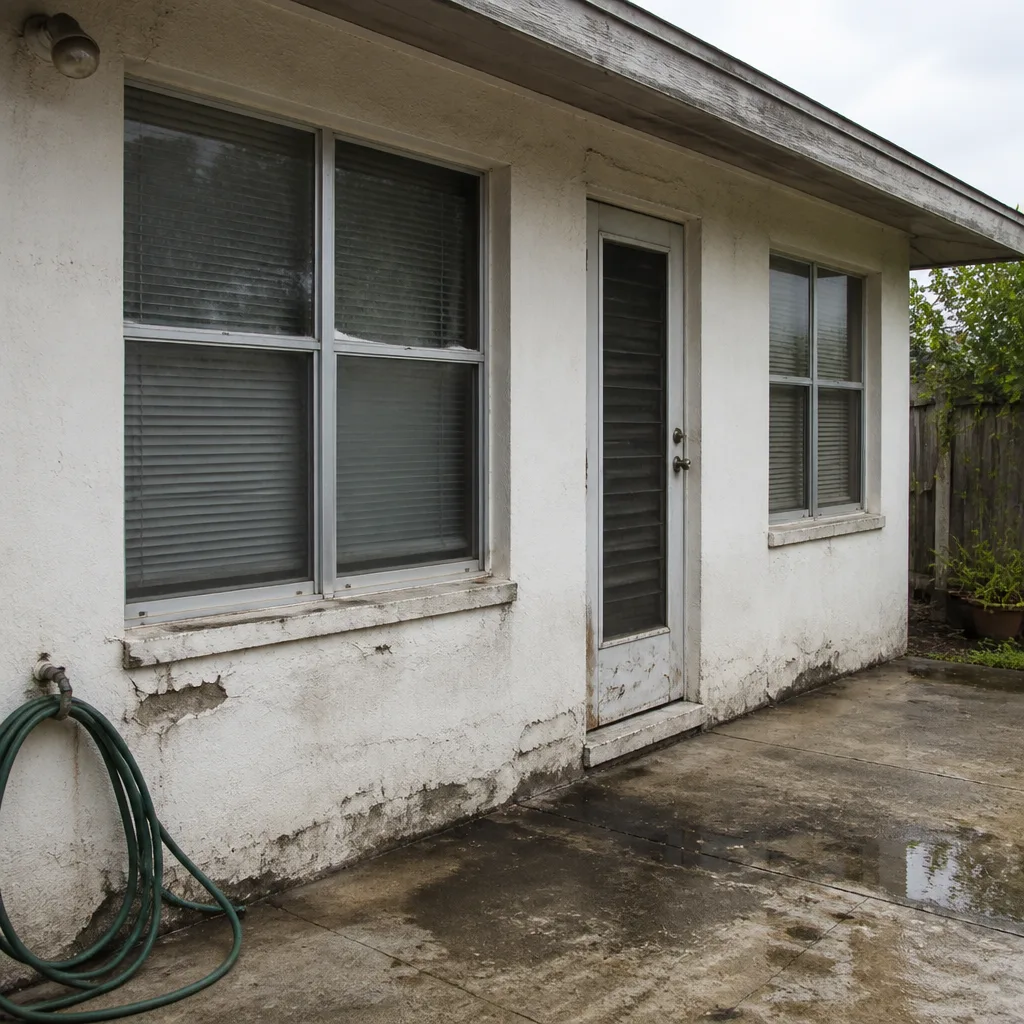 Before
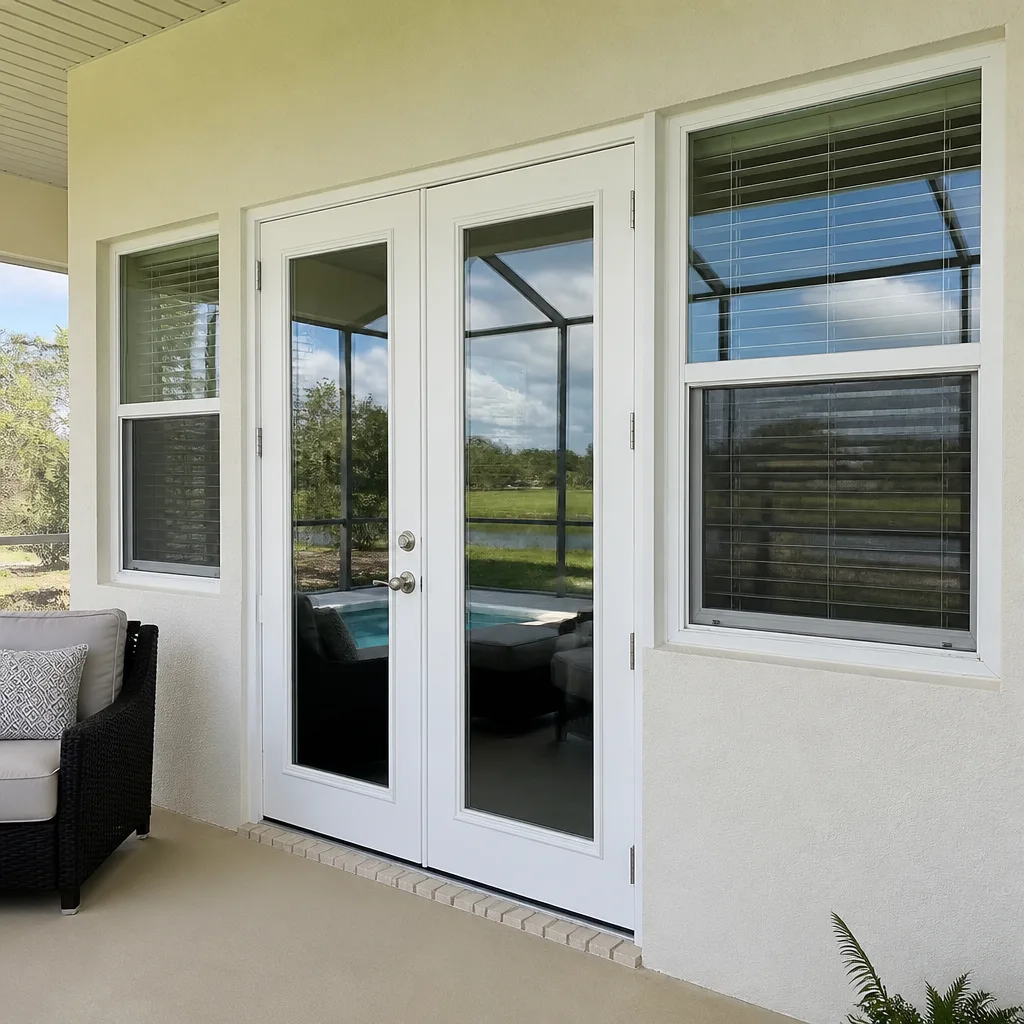 After
AfterTable of Contents
- Why Clewiston’s Climate Changes the Maintenance Timeline
- Quarterly Checks: The Clewiston-Specific List
- Post-Hurricane Season Inspection Protocol
- Cosmetic Wear vs. Structural Failure: Measurable Indicators
- What You Can Inspect vs. What Requires Licensed Documentation
- Documentation Standards for Insurance and Warranty
- Product-Specific Notes: CWS, ES Windows, ECO, and Mr-Glass
- A Complete Annual Maintenance Calendar
Why Clewiston’s Climate Changes the Maintenance Timeline
Generic maintenance schedules assume moderate humidity, seasonal freezes, and occasional rain. Clewiston operates under different rules. The city sits at the southern edge of Lake Okeechobee, where annual rainfall exceeds 60 inches and relative humidity stays above 75% for six months of the year. Summer temperatures reach 90°F or higher for stretches of 90+ days. That combination accelerates material fatigue in specific, predictable ways.
We’ve documented these patterns across thousands of installations in South Florida. The failure modes that show up in Clewiston zip codes differ materially from what we see in drier inland counties.
- Sealant hydrolysis: Polyurethane and silicone sealants absorb atmospheric moisture over time. In Clewiston’s humidity, the chemical breakdown that northern climates might stretch across seven years compresses to 18-30 months. The sealant surface looks intact while the bond to the frame substrate weakens.
- Aluminum frame galvanic corrosion: Agricultural irrigation in surrounding Hendry County increases airborne mineral content. When that residue settles on aluminum frames and meets morning condensation, corrosion initiates at contact points between dissimilar metals - screws, clips, and hardware fasteners.
- Weep system clogging: Clewiston’s intense rainfall events, particularly during tropical disturbances, overwhelm weep holes blocked by pollen, dust, and insect debris. Water that cannot exit the sill track backs into the wall cavity.
- Hardware fatigue: Lock mechanisms, hinges, and rollers operate in near-constant moisture exposure. Lubricants wash out faster; metal-on-metal wear accelerates.
The window installation in Clewiston that lasts 20 years versus 12 often comes down to whether maintenance intervals match these accelerated timelines, not the generic guidance printed on a warranty card.
Quarterly Checks: The Clewiston-Specific List
We recommend aligning quarterly inspections with Clewiston’s rainfall pattern: late May (pre-wet season), late August (peak wet season), late November (post-hurricane season), and late February (dry season baseline). Each inspection has distinct priorities tied to what the climate is doing at that moment.
Late May: Pre-Wet Season Preparation
- Inspect frame-to-opening sealant on all sides of every window. Look for surface crazing (fine cracks), color shift from original gray or white to yellowed or chalky, and any point where the sealant pulls away from the frame or wall. Use a plastic putty knife to gently probe - if the sealant separates with light pressure, it has lost adhesion.
- Clear weep holes in the sill track. Use a pipe cleaner or compressed air. In Clewiston, we find pollen from nearby agricultural fields and sugarcane processing residue are common blockers.
- Check weatherstrip compression. Close and lock the window. The weatherstrip should show even compression; gaps indicate settlement or hardware drift.
- Lubricate all moving hardware with a silicone-based lubricant. Avoid petroleum-based products; they attract dust and gum up in humidity.
Late August: Peak Wet Season Stress Test
- Repeat the sealant inspection, focusing on the bottom of the frame where water sheets during heavy rain. This is where hydrolysis progresses fastest.
- Inspect interior drywall and trim at each window after a heavy rain event. Any discoloration, softening, or paint bubbling indicates water has breached the primary seal.
- Check weep hole function during actual rain. Water should exit the weep holes within minutes of rainfall stopping. Standing water in the track means blockage or inadequate drainage slope.
- Document any changes from May with dated photos.
Late November: Post-Hurricane Season Audit
This is the most critical inspection of the year. See the dedicated section below for the full protocol.
Late February: Dry Season Baseline
- Inspect for insect intrusion. Dry season drives pests toward structure gaps. Window frames with compromised seals are common entry points in Clewiston’s rural-residential interface.
- Clean all tracks and frames with mild detergent. Remove agricultural dust accumulation before wet season begins.
- Test all hardware under dry conditions. Stiff operation that wasn’t present in November indicates corrosion beginning in the mechanism.
- Review photo documentation from the past year for progressive changes.
Post-Hurricane Season Inspection Protocol
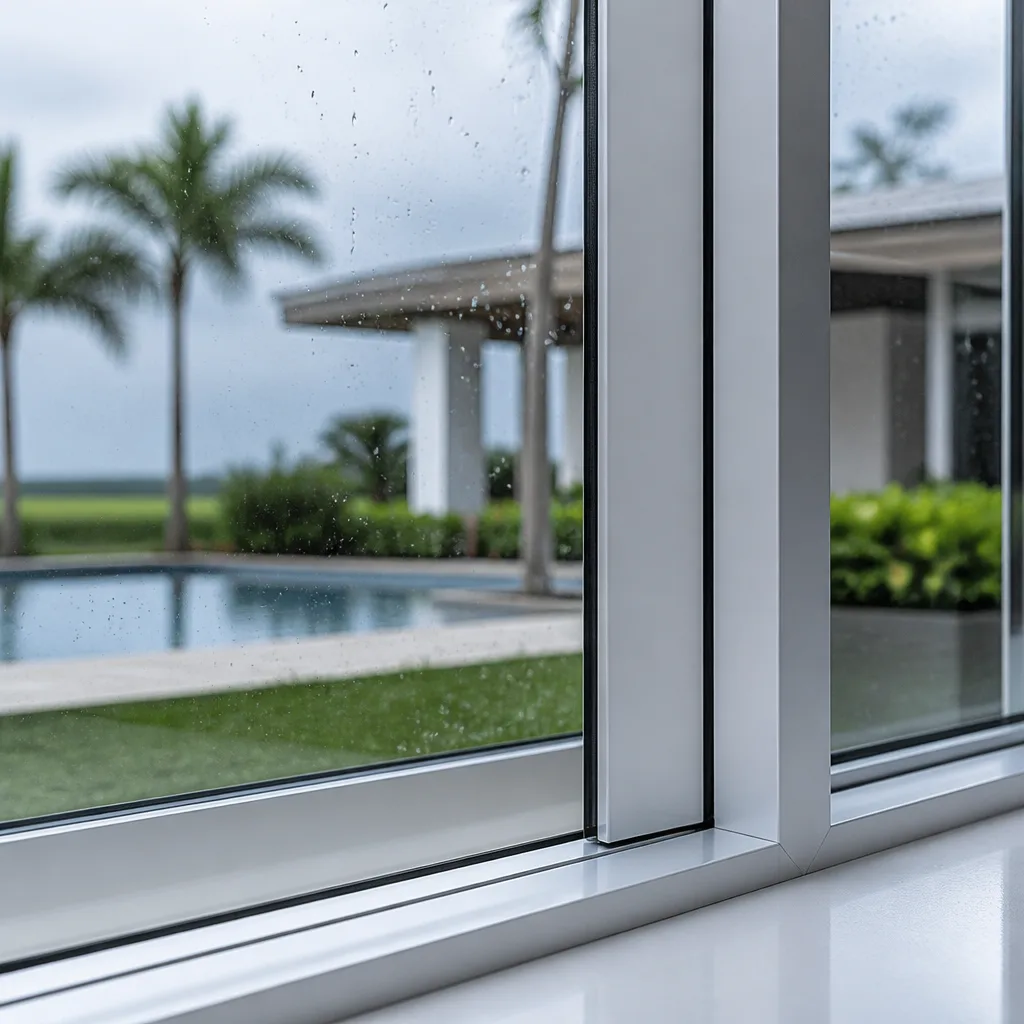
Florida’s official hurricane season runs June through November. For Sightline Windows & Doors Clewiston home installations, this period represents the highest stress window of the year - not just from named storms, but from the cumulative effect of tropical moisture, wind-driven rain, and pressure cycling.
Our field teams in Hendry County consistently find that windows surviving a hurricane season without visible damage may still have incurred stress that manifests as failure 12-18 months later. The November inspection catches these latent issues.
Step-by-Step Post-Season Inspection
- Glass stress check: Examine each pane in oblique light (early morning or late afternoon sun at an angle). Look for hairline cracks originating at corners or edges, internal fogging between double-pane units, and any new distortion in reflected images. These indicate pressure cycling or frame flexure during storms.
- Frame squareness verification: Measure diagonal frame dimensions with a tape measure. A difference of more than 1/8 inch between diagonals indicates frame racking from wind pressure. This affects operation, seal integrity, and long-term glass stress.
- Fastener inspection: On impact-rated installations, examine exposed fasteners for corrosion, backing out, or seal washer degradation. The salt load in wind-driven rain near Lake Okeechobee accelerates fastener corrosion even on inland installations.
- Operable sash function test: Open, close, and lock every window. Resistance, grinding, or failure to achieve full lock engagement indicates frame movement or hardware fatigue.
- Sealant bead continuity: Trace the full perimeter of each window. Any gap, bubble, or separation wider than 1/16 inch requires professional documentation - this is past the threshold of homeowner repair.
- Document everything: Take clear, dated photos of each window from interior and exterior angles, plus close-ups of any anomalies. Store with your homeowner’s insurance records.
Impact-rated windows from manufacturers like window replacement in Clewiston portfolios - CWS, ES Windows, and ECO Window Systems - carry specific warranty terms that require documented post-season inspection to maintain storm-damage coverage. The photo record is not optional; it’s a condition of the warranty.
Cosmetic Wear vs. Structural Failure: Measurable Indicators
Homeowners waste money replacing weatherstrip that has years of function left, while missing frame infiltration that will cost thousands in wall damage. The distinction is measurable, not subjective.
Cosmetic Wear (Monitor, Don’t Replace Yet)
- Weatherstrip surface fuzzing or minor compression set: The weatherstrip still fills the gap when the sash is locked. Measure: insert a feeler gauge or thin cardboard strip; resistance to withdrawal indicates adequate compression.
- Frame finish chalking or minor oxidation: Surface only, no pitting. Wipe with a damp cloth; if color transfers but the underlying metal is smooth, it’s cosmetic.
- Hardware patina: Discoloration without functional impairment. Lock still engages fully; handle operates with normal resistance.
- Sealant surface UV degradation: Chalky surface but the sealant remains bonded. Probe with a plastic tool; adhesion to both substrate and frame is firm.
Structural Failure (Requires Professional Documentation)
- Weatherstrip that no longer compresses: Feeler gauge withdraws without resistance; visible daylight through the closed joint. Air infiltration is measurable with a smoke pencil or incense stick.
- Frame pitting or section loss: Oxidation has penetrated the anodized or painted layer. White powdery deposits on aluminum indicate active corrosion. Depth exceeds 0.010 inch - roughly the thickness of a business card.
- Hardware binding or incomplete lock engagement: The window cannot achieve the manufacturer’s specified lock position. This is a security and structural concern, not merely convenience.
- Sealant separation or through-cracking: Gap exceeds 1/16 inch; probe penetrates to substrate; or water infiltration is confirmed by interior moisture indicators.
- Glass edge exposure: The glazing bead or seal has receded, exposing the glass edge to direct water contact. Immediate professional attention required.
In our experience across Clewiston installations, the most commonly missed structural indicator is sealant separation at the sill. Water enters, travels the wall cavity, and manifests as damage feet away from the window - often misdiagnosed as plumbing or roof leakage.
What You Can Inspect vs. What Requires Licensed Documentation

The dividing line is not complexity; it’s documentation. Insurance adjusters and warranty administrators require licensed verification for conditions that affect coverage. Homeowners can perform many inspections, but certain findings must be professionally documented to preserve legal standing.
Homeowner-Appropriate Tasks
- Visual inspection of sealant, weatherstrip, and hardware
- Cleaning of tracks, weep holes, and frames
- Lubrication of moving parts with manufacturer-recommended products
- Operational testing (open, close, lock)
- Photo documentation for personal records
- Interior moisture indicator checks (drywall, trim, sill)
Tasks Requiring Licensed Contractor Documentation
- Sealant failure assessment and resealing
- Frame squareness or structural movement measurement
- Glass stress crack or seal failure diagnosis
- Fastener corrosion or backing-out on impact-rated installations
- Any condition affecting the door installation in Clewiston or window warranty coverage
- Post-storm damage assessment for insurance claims
The Haven Standard’s Clause 4 - Evidence on every job - governs how we approach this boundary. When Sightline documents a condition, the customer receives a dated, photographed report with measured dimensions and a written scope. That document travels with insurance claims and warranty submissions. A homeowner’s photo, however clear, lacks the licensed verification that adjusters require for structural conditions.
We provide free second opinions on any competitor’s written estimate. Bring us documentation of a suspected structural issue and we will assess it at no charge, with the same measured survey and written scope we provide for our own installations.
Documentation Standards for Insurance and Warranty
Hendry County insurers have tightened documentation requirements for window-related claims, particularly for impact-rated products installed after 2017. The standard has shifted from “prove you had damage” to “prove you maintained the product.” Homeowners without dated maintenance records face claim reductions or denials.
What to Photograph
- Full-window contextual shots: Interior and exterior, showing the window in its wall plane. Include a date stamp or hold a dated card in frame.
- Sealant close-ups: Frame-to-wall joint at top, sides, and sill. Use oblique lighting to highlight surface texture and continuity.
- Hardware detail: Lock engagement position, handle condition, any corrosion points.
- Weep hole function: Photo during or immediately after rain showing water exit, or a dry hole verified clear with a probe visible.
- Any anomaly: Crack, discoloration, soft trim, or operational issue - with a ruler or coin for scale.
Where to Store Records
Cloud storage with automatic backup is minimum viable. We recommend a dedicated folder structure: Year > Inspection Date > Window Location (room and orientation). Include the written checklist or notes from each inspection. If you use a contractor, request their report in PDF with embedded photos and store it in the same structure.
Why This Matters for Claims
Impact-rated window warranties from PGT, CGI, CWS, and other manufacturers specify maintenance as a condition of coverage. The warranty language typically requires “annual inspection by a qualified party” for storm-damage claims. A homeowner’s diligent self-inspection supports but does not satisfy this requirement. The licensed contractor’s report does.
Insurance policies increasingly contain similar language. After Hurricane Ian, several Hendry County homeowners learned that their impact window coverage was contingent on documented maintenance history. Those with contractor records from the prior 24 months experienced smoother claims processing. Those without faced depreciation adjustments or partial denials.
Product-Specific Notes: CWS, ES Windows, ECO, and Mr-Glass
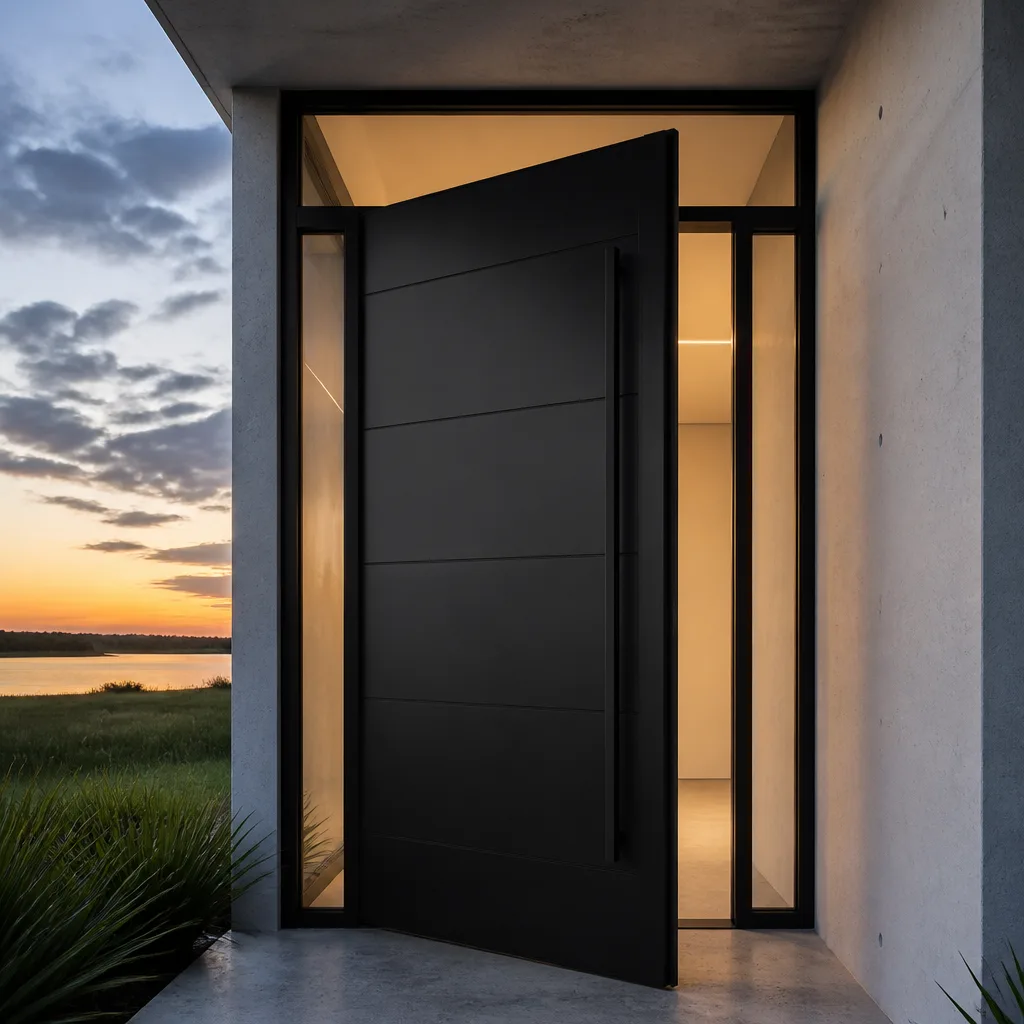
Maintenance requirements vary by frame material, glazing system, and hardware specification. The window installation in Clewiston portfolio at Sightline includes multiple product tiers, each with distinct maintenance priorities.
CWS (Custom Window Systems)
CWS vinyl and aluminum frames use a co-extruded weatherstrip system with integrated fin seals. In Clewiston’s humidity, the fin seal can bond to the frame if left static for extended periods. We recommend cycling operable windows monthly - open, close, lock - to prevent adhesion. The CWS hardware suite uses stainless steel fasteners, but the lock mechanisms benefit from annual silicone lubrication. The weep system is internal and concealed; verify function by pouring a cup of water in the track and confirming exit within 60 seconds.
ES Windows
ES aluminum impact products use a thermal break design that creates a small cavity at the frame edge. This cavity can accumulate condensation residue and agricultural dust. Annual cleaning with a soft brush and mild detergent prevents buildup that would otherwise accelerate frame finish degradation. The ES multi-point lock system requires precise adjustment; if the handle resistance increases, do not force it. This indicates frame settlement or hardware drift that needs professional adjustment.
ECO Window Systems
ECO’s vinyl line uses a fusion-welded frame with no mechanical corners to separate. The maintenance focus shifts to the glazing bead, which is a snap-in vinyl component. In Clewiston’s UV exposure, this bead can become brittle after 7-10 years. Inspect for cracking or shrinkage that would expose the glass edge. The ECO weep system uses a baffle design that resists insect intrusion but can trap fine dust; quarterly clearing with compressed air is essential.
Mr-Glass
Mr-Glass impact products emphasize large-format glazing with minimal frame sightlines. The structural silicone glazing system eliminates traditional gaskets, making sealant integrity the entire water barrier. In Clewiston’s climate, this sealant requires inspection every 12 months - not the 5-year interval common in northern specifications. Any separation or bubble in the structural silicone is immediate professional territory; this is not a homeowner-repairable condition.
A Complete Annual Maintenance Calendar
This calendar integrates Clewiston’s climate pattern, Florida’s hurricane season, and the documentation requirements of major manufacturers and insurers. For Windows & Doors Cost Breakdown: The Clewiston Homeowner’s Reference for 2026, see our dedicated guide.
| Month | Task | Who Performs | Documentation Required |
|---|---|---|---|
| February | Dry season baseline: clean, lubricate, pest check, hardware test | Homeowner | Personal photo record |
| May | Pre-wet season: sealant inspection, weep clearing, weatherstrip check | Homeowner | Personal photo record |
| August | Peak wet season: repeat sealant check, interior moisture inspection, weep function during rain | Homeowner | Personal photo record; note any changes |
| November | Post-hurricane season full audit: glass stress, frame squareness, fastener check, operational test, sealant continuity | Licensed contractor recommended; homeowner may perform visual portions | Contractor report for warranty/insurance; personal photos as backup |
| As needed | Post-storm inspection after any tropical storm or hurricane impact | Licensed contractor | Contractor report mandatory for insurance claims |
The November contractor inspection is the critical documentation event. Even if no issues are found, the report establishes a baseline that protects warranty and insurance standing. Sightline provides this service with the same measured survey and written scope we use for installations; the report is yours to keep and submit as needed.
Common Mistakes to Avoid
- Using petroleum-based lubricants on window hardware. They attract dust and form a gummy residue in Clewiston’s humidity that accelerates wear. Always use silicone-based products.
- Pressure-washing window frames directly. The force drives water past weatherstrip and into the wall cavity. Use low-pressure rinse and angled spray away from the frame joint.
- Ignoring weep holes until water appears inside. By then, the wall cavity has already absorbed moisture. In Clewiston’s climate, mold colonization begins within 48-72 hours of saturation.
- Applying new sealant over old without substrate preparation. The bond fails within months. Proper sealant replacement requires removal, cleaning, priming, and application - a licensed task for warranty purposes.
- Assuming impact-rated windows are maintenance-free. The impact rating governs large-missile resistance, not sealant longevity or hardware corrosion. These components need the same or more attention in Clewiston’s climate.
- Storing documentation only on a phone. Phones fail, are lost, or replaced. Cloud backup with folder structure is minimum viable; a printed annual summary stored with insurance policies is prudent redundancy.
When to Call a Professional
Call a licensed window contractor when you find sealant separation exceeding 1/16 inch, glass stress cracks, frame racking (diagonal measurements differ by more than 1/8 inch), hardware that will not achieve full lock, or any interior moisture indicators after rain. These conditions affect structural integrity, security, and warranty coverage; they require documented professional assessment.
For insurance claims related to storm damage, professional documentation is mandatory - homeowner photos support but do not satisfy adjuster requirements. The report must include measured conditions, photographed evidence, and a written scope of repair.
Sightline Windows & Doors Clewiston offers free estimates in Clewiston. Call (863) 509-1135 to schedule an inspection, request a free second opinion on a competitor’s written estimate, or discuss the maintenance documentation your warranty and insurance require. Every visit includes a measured survey you keep, a written scope with fixed pricing, and a documented photo record under the Haven Standard.
Frequently Asked Questions

Inspect visually every three months, with a full professional audit each November after hurricane season ends. Clewiston’s 60+ inches of annual rainfall and extended high-humidity periods accelerate sealant and hardware degradation beyond what generic 5-year inspection schedules assume. Call (863) 509-1135 to schedule your November audit - estimates are free.
Homeowner-applied sealant typically voids manufacturer warranties on impact-rated and energy-efficient windows. Warranty language requires sealant work by a licensed contractor using manufacturer-specified products, with documentation of substrate preparation and application conditions. The cost of professional resealing is far below the cost of voided warranty coverage. We review competitor quotes at no charge if you want to verify pricing.
Reputable contractors in the Clewiston market charge $150-$300 for a full inspection with written report, or provide it free as part of an ongoing service relationship. Sightline includes the post-hurricane season audit at no charge for customers under our 365-Day Done Right Promise. For non-customers, we provide free estimates that include a measured survey and documented photo record. Call (863) 509-1135 to schedule.
Pour a cup of water into the window track. It should exit the weep holes within 60 seconds. If water stands, the holes are blocked or the sill lacks adequate drainage slope. In Clewiston, pollen from agricultural fields and sugarcane processing residue are common blockers. Clear with compressed air or a pipe cleaner - never seal weep holes, even if insects are a concern; use manufacturer-approved baffle inserts instead.
Coverage depends on policy language and documentation. Most post-2017 Florida policies require “reasonable maintenance” for impact-rated window claims. In Hendry County, insurers increasingly request 24 months of maintenance records, including professional inspection reports for structural conditions. Homeowner-performed visual checks support but do not satisfy this requirement. The absence of documentation does not automatically void coverage, but it shifts the burden of proof to the homeowner and may result in depreciation adjustments.
CWS uses co-extruded fin-seal weatherstrip that requires monthly cycling to prevent humidity adhesion; ES uses a thermal-break aluminum frame with a cavity that accumulates dust and requires annual brush cleaning. Both need quarterly weep hole maintenance and annual sealant inspection in Clewiston’s climate. The specific hardware lubricants and cleaning products differ by manufacturer; use only products specified in the installation documentation or confirmed by your contractor.
The Bottom Line
Clewiston’s climate demands a maintenance schedule calibrated to 60+ inches of annual rainfall, six months of 75%+ humidity, and the stress of hurricane season - not the generic timelines printed for temperate climates. Quarterly homeowner inspections catch developing issues early. Annual professional documentation protects warranty and insurance standing. The dividing line between cosmetic wear and structural failure is measurable: sealant gaps over 1/16 inch, frame diagonals differing by more than 1/8 inch, and any interior moisture indicator after rain require licensed assessment. Keep dated photos, store them with cloud backup, and ensure your November audit produces a contractor report that satisfies manufacturer and insurer requirements. The windows that last 20 years in Hendry County are the ones maintained on Clewiston’s timeline, not a national average. Explore more guides & resources for South Florida homeowners.
Written by Sonia Raman, Owner at Sightline Windows & Doors Clewiston, serving Clewiston since 2012.
Six Reasons Homeowners Choose Sightline Windows & Doors Clewiston
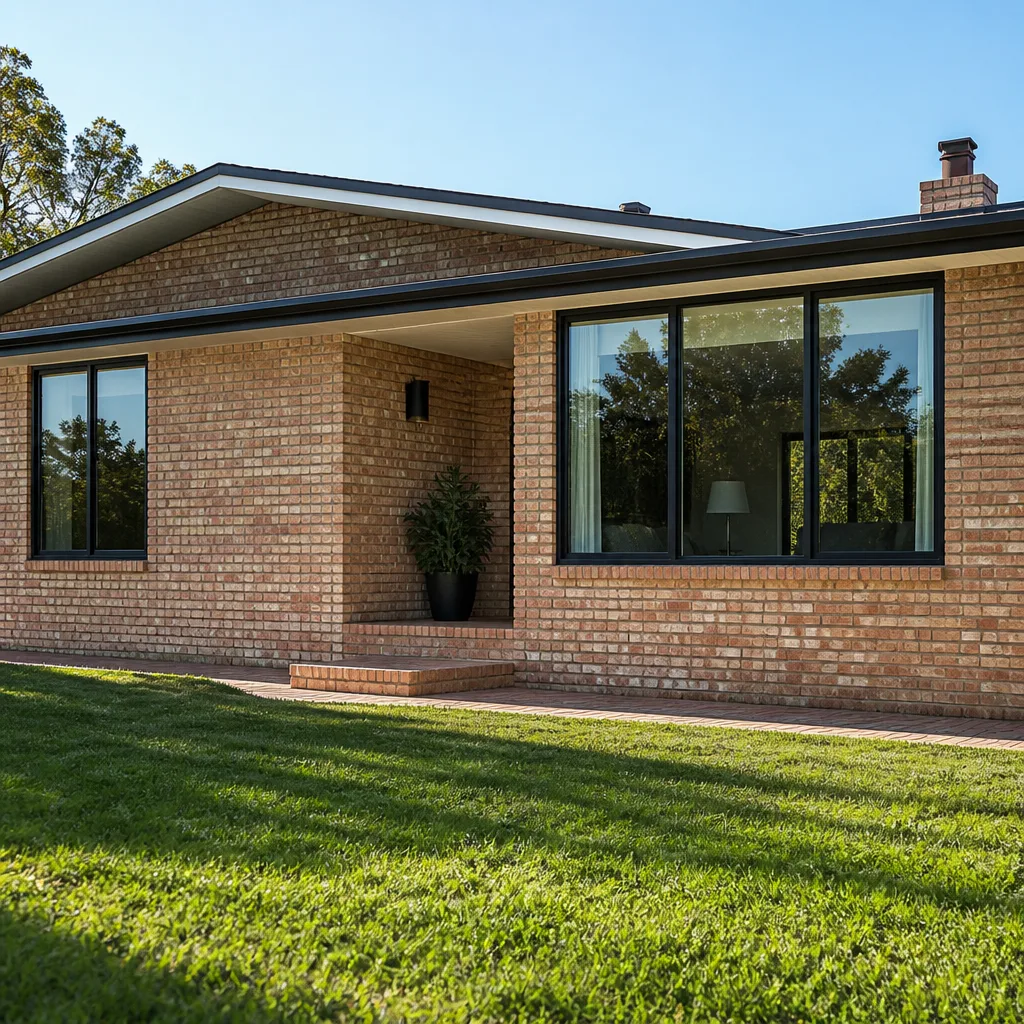
Impact systems engineered to design pressures up to +/-100, matched to your wind zone - your openings hold when the storm arrives.
Low-E insulated impact glass from our manufacturer lines commonly cuts monthly cooling bills 20-30%.
Laminated impact glass shuts out up to 40% of outside noise - traffic, neighbors, weather.
Monitoring services run $30-90 a month. Laminated impact glass resists forced entry around the clock, with no subscription.
Florida homeowners average around 25% savings on the windstorm portion of their policy after protecting every opening - some homes qualify for more.
A full impact package upgrades curb appeal, buyer confidence and appraised value in one project.
Other Sightline Windows & Doors Clewiston Services
What Neighbors Say About Sightline Windows & Doors Clewiston