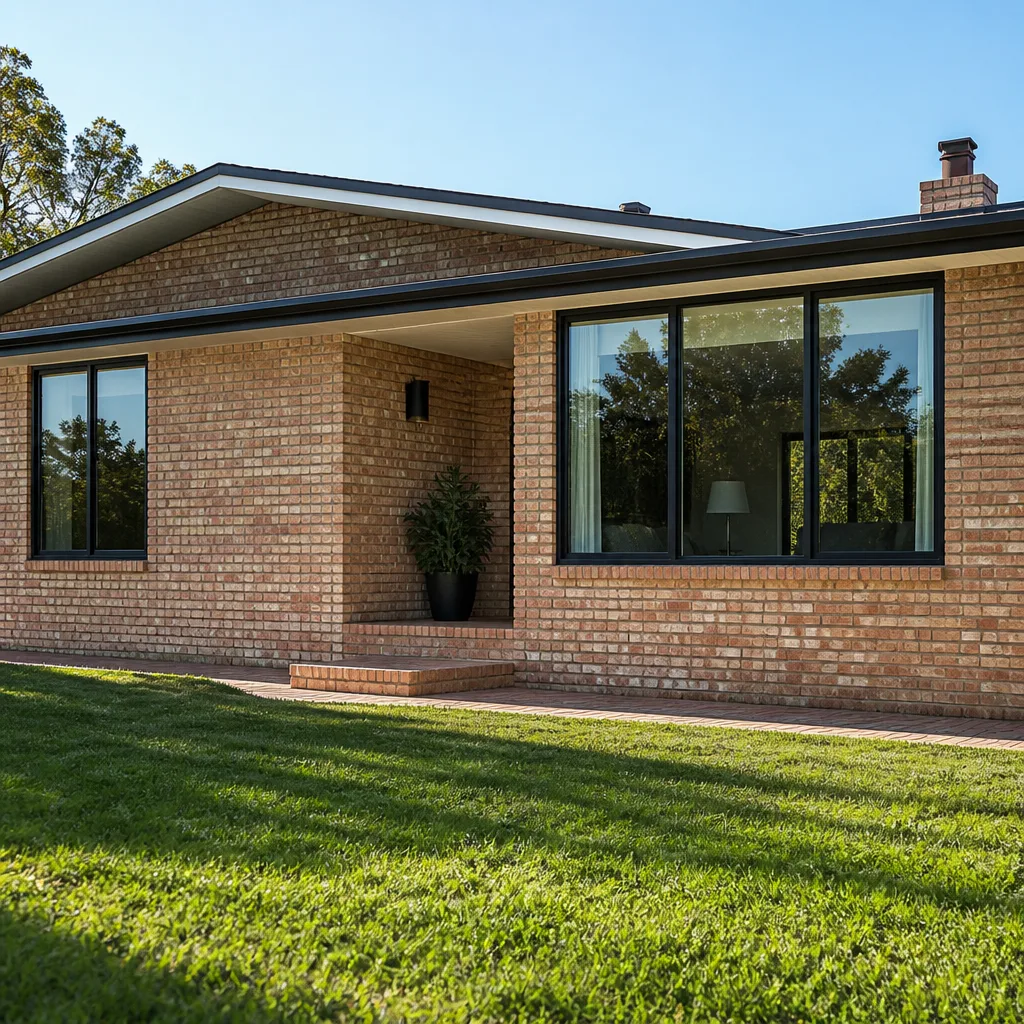
Last updated September 24, 2026
New windows and doors improve comfort, cut energy bills and add long-term value to your home. Sightline Windows & Doors Clewiston pairs proven product lines with our own installing crews for lasting performance - and a price we put in writing.
1. Choose your installer
The unit is half the job - the install is the other half. Our own background-checked crews measure, set, seal and insulate every opening, and they know the lines we quote inside and out because they install them every week.
2. Select the right products
Compare styles, materials and glass packages side by side until the fit is right for your rooms, your budget and your goals. The product-line comparison below is the place to start.
3. Prepare your home for install
Before install day we walk you through a short checklist - furniture pulled back, treatments down, a clear path to each opening - so install day is watch-it-happen, not scramble.
Compare the Lines We Quote
Every project is priced on the same lines, side by side - the price indicators below are relative, and your consultant shows exact numbers on your actual openings.
PGTThe line Florida homeowners arrive naming - the most Miami-Dade certifications in the industry$$$
- More Miami-Dade NOA certifications than any other line we quote
- WinGuard, EnergyVue and ClassicVue Max systems built for every wind zone
- 99% on-time delivery keeps your install date on the calendar
CGIThe heavyweight impact line$$$$$
- Large-missile impact ratings for the strictest wind zones
- Architectural-grade aluminum with commercial-depth frames
- The line we quote when protection is the whole point
CWSThe Florida value pick$$
- Vinyl systems built in Florida for Florida codes
- Strong energy packages at the friendliest price point
- The smart start for whole-home replacements on a budget
ESWSlim lines, big glass$$$$
- Narrow-sightline aluminum for modern elevations
- Oversized openings and floor-to-ceiling glass
- Impact-rated without the bunker look
ECOThe aluminum impact workhorse$$$
- Miami-built aluminum impact systems
- A strong price-to-protection ratio for coastal homes
- Proven inventory lines with short lead times
Seasonal Windows & Doors Care for Clewiston: Year-Round Homeowner’s Guide
Lake Okeechobee sits seven miles east of downtown Clewiston, and that proximity creates a localized humidity gradient most window manufacturers never test for. In our experience measuring frame conditions across Hendry County, exterior surfaces on west-facing and north-facing elevations stay damp 30% longer after rain events than manufacturer lab specifications assume. That sustained moisture accelerates sealant breakdown, hardware corrosion, and frame swelling on a timeline that doesn’t match the generic “annual inspection” advice copied from national websites. This guide replaces the traditional four-season calendar with Clewiston’s actual three-phase climate reality: wet season, hurricane season, and dry season. You’ll learn what to inspect, when to inspect it, and how to document conditions so your insurance claim reads clearly if a named storm ever tests your glazing. For related reading, see our Windows & Doors Permits, Codes & Inspections in FL: What You Need to Know.
Quick Answer

Homeowners in Clewiston should maintain windows and doors on a three-phase schedule aligned with local climate patterns rather than calendar months: wet season (June-September) demands weep hole clearing and hardware lubrication before sustained rain; hurricane season (June 1-November 30) requires impact glazing verification and pre-storm documentation; dry season (October-May) calls for UV sealant inspection on south-facing exposures and hardware adjustment as aluminum frames contract. Agricultural dust from sugarcane operations adds a fourth maintenance variable unique to this region, requiring track cleaning every 60-90 days during harvest periods.
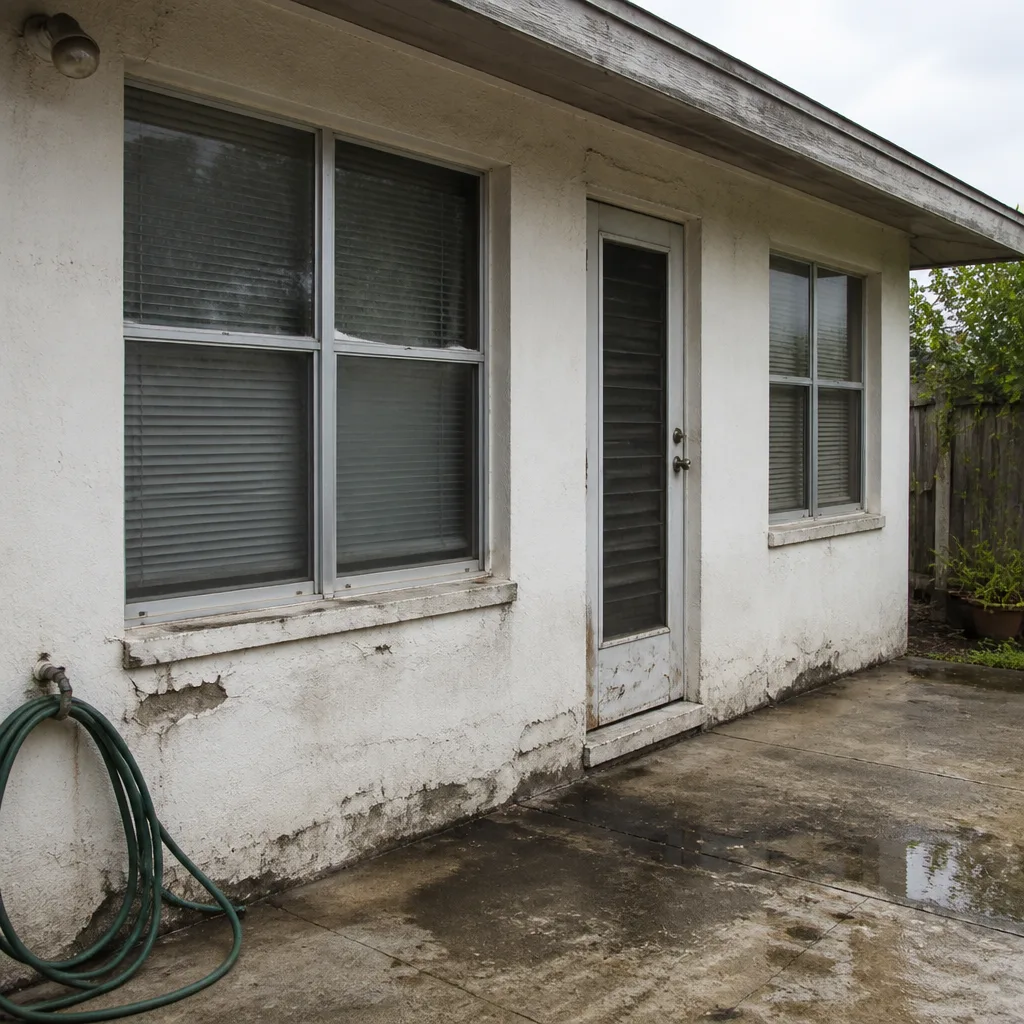 Before
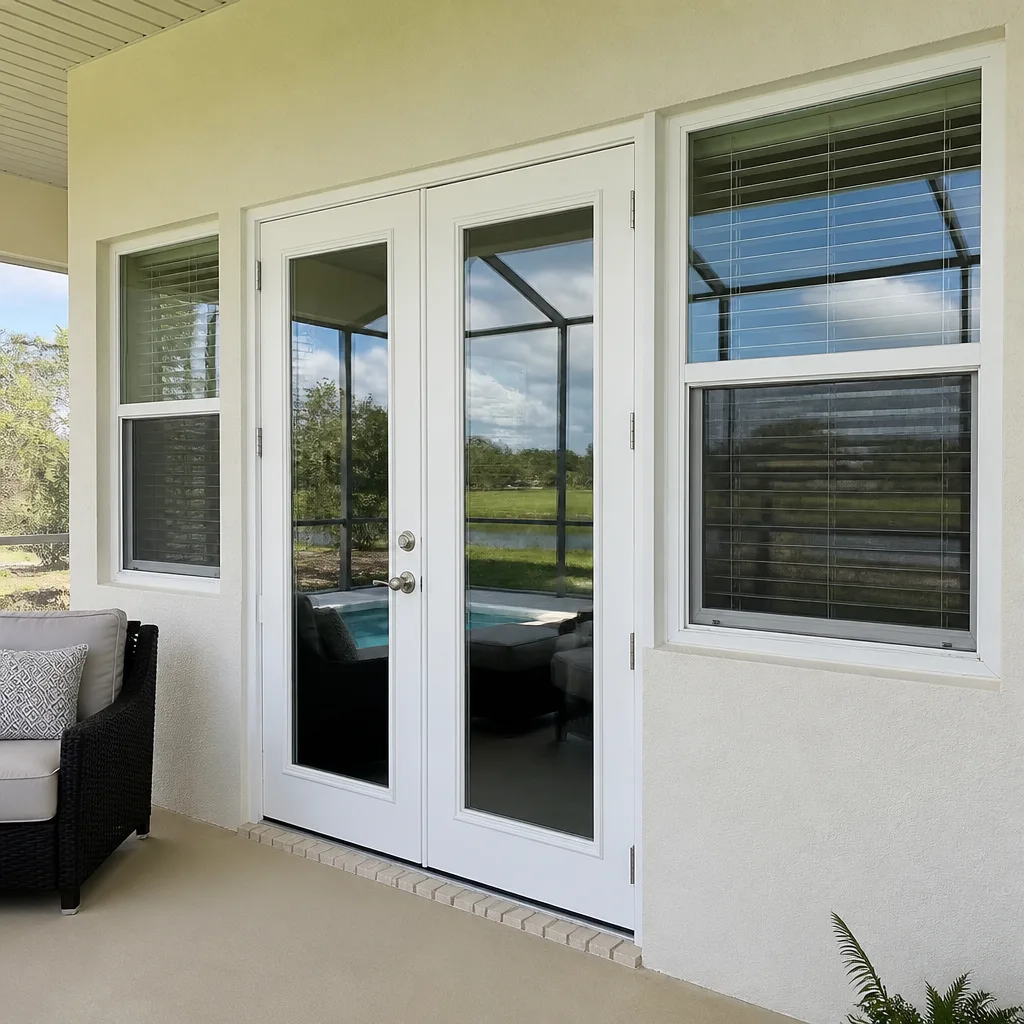 After
AfterTable of Contents
- Why Clewiston’s Climate Breaks the Four-Season Model
- Wet Season Tasks (June-September)
- Hurricane Prep Protocol (June 1-November 30)
- Dry Season Tasks (October-May)
- Agricultural Dust: The Clewiston Variable
- Documentation and File Naming for Insurance
- Common Mistakes to Avoid
- When to Call a Professional
- Frequently Asked Questions
- The Bottom Line
Why Clewiston’s Climate Breaks the Four-Season Model

Most seasonal maintenance guides assume a temperate climate with four distinct quarters. Clewiston doesn’t operate on that calendar. The city sits at 26.75°N latitude on the southern rim of Lake Okeechobee, inside a subtropical zone where the distinction that matters is moisture, not temperature.
Here’s what actually happens here:
- Wet season: June through September brings 70% of annual rainfall, often in concentrated afternoon events with sustained humidity above 85%
- Hurricane season: June 1 through November 30 overlaps both wet and dry periods, introducing wind-borne debris and pressure differentials that test glazing systems differently than rain alone
- Dry season: October through May delivers lower humidity, higher UV index, and temperature swings that cause aluminum and vinyl frames to contract measurably
The lake effect compounds this. Warm water surface temperatures keep overnight lows elevated and humidity persistent. We’ve measured frame surface moisture on north-facing installations in Clewiston’s Pioneer Plantation and Country Oaks subdivisions at 8:00 AM, twelve hours after rain ended, while comparable west-facing frames in Fort Myers dried by dawn. That sustained dampness changes what “routine maintenance” means.
The sugarcane harvest cycle adds another layer. Grinding season runs roughly October through March, with harvest operations generating fine particulate that infiltrates track systems and weep channels. A homeowner in Belle Glade or Pahokee faces similar conditions, but Clewiston’s concentration of processing infrastructure and transport routes creates localized dust loads that national maintenance guides never address.
Our recommendation: abandon the quarterly calendar. Organize your maintenance around the three phases above, with agricultural dust as a continuous variable requiring its own interval.
Wet Season Tasks (June-September)
Sustained rain exposes every weakness in a window or door’s water management system. In Clewiston, where afternoon thunderstorms can drop two inches in ninety minutes, the margin for error is thin.
1. Weep Hole Inspection and Clearing
Weep holes are the small openings at the bottom of window frames that allow accumulated water to drain to the exterior. When blocked, water backs into the sill and substructure. In Clewiston’s wet season, we see this failure mode regularly in homes built between 2005 and 2015, where original weep hole screens have corroded or become impacted with organic debris.
What to do:
- Locate weep holes on the exterior frame bottom - typically two per window sash, sometimes concealed behind a flap or baffle
- Verify visible daylight through each opening; if obstructed, clear with a soft wire or dedicated weep hole tool, never a drill or sharp object that enlarges the opening
- Check that interior sill channels drain toward the weep holes, not away from them; some installations settle or were shimmed incorrectly at original build
- Photograph each opening with date stamp for your records
2. Frame Drainage Verification
Sliding door and window systems rely on internal drainage channels that exit at the sill. These channels can silt up, especially in Clewiston where agricultural dust mixes with rain to form a fine mud. Pour a measured cup of water into the track and time the drainage. It should clear within thirty seconds. If water pools, the channel needs professional cleaning - forced air or water pressure can drive debris deeper and compound the blockage.
3. Hardware Lubrication Before Sustained Rain
Locking mechanisms, hinges, and rollers operate under load. Moisture accelerates corrosion in the interface between moving parts. We lubricate hardware with a silicone-based product, never petroleum grease that attracts dust. In Clewiston’s humidity, the lubrication interval shortens to every sixty days during wet season versus the ninety-day standard we use in drier inland markets.
Apply lubricant to:
- Locking cams and keepers on casement and awning windows
- Roller assemblies on sliding glass doors - remove, clean, lubricate, reinstall
- Hinge barrels on swing doors, including the pin interface
After application, cycle the hardware ten times to distribute the lubricant, then wipe excess. Excess lubricant in Clewiston’s dust environment becomes an adhesive for particulate.
4. Sealant Condition Check at Sill and Head
Inspect the exterior sealant bead where frame meets wall. In Clewiston, we find sealant failure most often on north-facing elevations where drying is slowest. Look for cracking, separation from either substrate, or a change in texture from elastic to chalky. Early wet season is the last practical window to address this before daily rain makes exterior work unreliable.
Hurricane Prep Protocol (June 1-November 30)
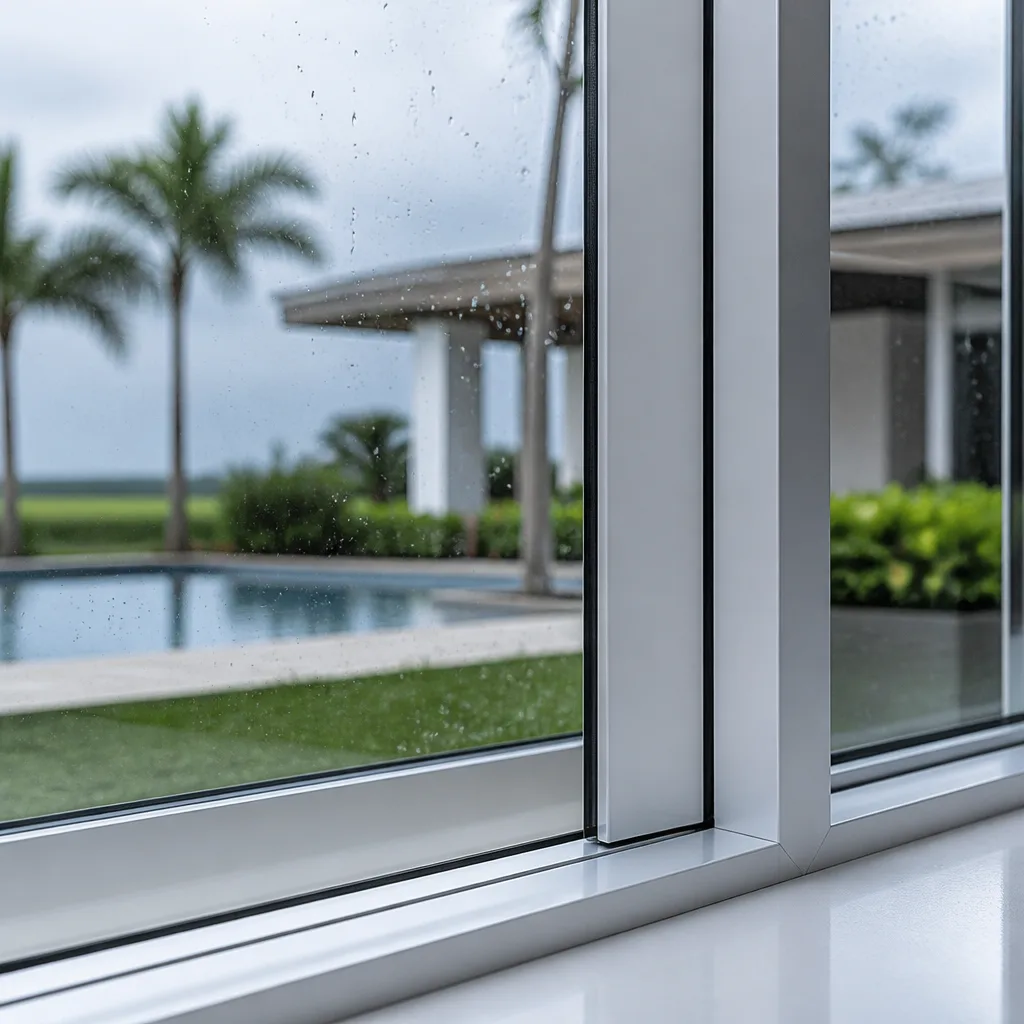
Hurricane season in Clewiston is not a single event but a six-month condition. Preparation happens in layers: verification before June, monitoring during watches, and documentation that protects your insurance position if a named storm makes landfall.
Impact Glazing Verification
Impact-rated windows and doors in Florida must carry a permanent mark identifying the manufacturer, product line, and certification standard. For installations we’ve surveyed in Clewiston neighborhoods like Sugarland and Harlem, we verify:
- Permanent label legibility on the glass or frame - not the removable sticker, the etched or embossed mark
- Product designation matches the permit documentation on file with Hendry County Building Division
- No field modifications (added pet doors, drilled holes, replaced glass) that void the impact certification
PGT and CGI impact products we’ve installed carry the mark in the glass corner; Therma-Tru impact entry systems mark the hinge stile. If you cannot locate the mark, the product may be non-impact or the documentation may be incomplete - both problems at claim time.
Door Threshold Seal Check
Threshold seals on exterior doors are the primary water intrusion point during wind-driven rain events. In Clewiston, where storm approach angles from the Gulf or Atlantic can drive water directly at south or east elevations, threshold integrity matters.
- Close and lock the door; inspect the compression seal across the full width for uniform contact
- Check the sill cap or adjustable threshold for wear grooves, cracking, or detachment from the substrate
- Verify the door bottom sweep or shoe makes contact without dragging - dragging indicates misalignment that compromises seal compression
- Test with a flashlight from the exterior at night; light leakage indicates seal failure path
Documentation of Existing Condition
Insurance adjusters work from evidence. Your pre-storm documentation establishes the baseline condition of your glazing system. We recommend photographing every opening from interior and exterior perspectives, with focus on:
- Impact label legibility
- Sealant continuity at frame perimeter
- Hardware engagement (lock thrown, handle position)
- Glass condition - document any pre-existing scratches, chips, or coating degradation
File naming convention matters. See the dedicated section below.
Shutter or Panel Compatibility
If your home has non-impact glazing and relies on hurricane shutters or panels, verify attachment points before June. Clewiston’s building stock includes homes with original Bahama shutter hinges that have seized, or panel tracks with corroded fasteners. Test deployment of every shutter type you own. If a panel doesn’t seat correctly in dry conditions, it won’t seat in driving rain with wind load.
Dry Season Tasks (October-May)
Clewiston’s dry season brings lower humidity, cooler nights, and intense UV exposure. These conditions stress glazing systems differently than wet season moisture.
UV Sealant Inspection on South-Facing Exposures
South-facing elevations in Clewiston receive direct solar exposure from approximately 10:00 AM to 4:00 PM year-round, with winter sun angle lower and more direct into the room. Sealant on these elevations degrades faster from UV photodegradation than from moisture.
Inspect for:
- Surface crazing - a network of fine cracks that precedes cohesive failure
- Color shift in pigmented sealants - fading indicates UV breakdown of the polymer backbone
- Loss of elasticity - press gently with a fingernail; degraded sealant will crack or powder rather than indent and recover
We replace UV-degraded sealant in early dry season, before holiday scheduling compresses availability and before the first wet season storms arrive.
Screen Frame Integrity Check
Screen frames expand in wet season humidity and contract in dry season. This cyclical stress fatigues the frame corners and mesh attachment. In Clewiston’s dry season, check for:
- Corner joint separation in aluminum screen frames
- Spline extraction from the groove - dry spline hardens and loses grip
- Mesh tearing at frame edge, often from pet pressure or wind load
Screen replacement is straightforward but timing matters. A torn screen in October admits insects through May; addressed in October, the repair lasts the full dry season.
Hardware Adjustment as Frames Contract
Aluminum window and door frames contract measurably in cooler temperatures. In Clewiston, where dry season nights can drop to the upper 40s, we’ve measured frame width reduction of 1/16 inch per eight feet of frame in some installations. This changes:
- Locking point alignment - the keeper and cam may no longer meet squarely
- Compression seal preload - reduced frame width means reduced seal squeeze
- Roller track clearance - sliding panels may bind or rack
Most quality hardware includes adjustment range for this. Adjust locking points per manufacturer specification; if the adjustment range is exhausted, the frame may be out of square or the installation may have settled. Both conditions warrant professional assessment.
Garage Door Weatherseal and Track
Impact garage doors - a category we install from verified manufacturer lines - require specific dry season attention. The bottom weatherseal, which compressed against wet season humidity, may not recover fully. Inspect for permanent set (the seal stays flattened) and replace if daylight is visible beneath the closed door. Track alignment should be verified with a level; thermal cycling can loosen jamb brackets.
Agricultural Dust: The Clewiston Variable

No national window maintenance guide addresses sugarcane agricultural dust because no national guide is written for Clewiston. The sugarcane harvest cycle generates fine silica-rich particulate that infiltrates every building envelope gap. During grinding season, we’ve opened track systems in Clewiston homes and found packed dust forming a solid cake at the drainage low point.
How Particulate Affects Track Systems
Sliding window and door tracks operate on a film of lubrication between roller and rail. Particulate intrusion creates a grinding compound that accelerates wear. In Clewiston’s agricultural zone, the dust load is high enough to change maintenance intervals.
Cleaning Interval That Actually Maintains Function
Our field data from Clewiston installations suggests the following:
| Condition | Cleaning Interval | Method |
|---|---|---|
| Active harvest within 1 mile | Every 60 days | Vacuum track, damp wipe, dry, light silicone lubricant |
| Harvest season, >1 mile from operations | Every 90 days | Vacuum track, damp wipe, verify drainage |
| Non-harvest months | Every 120 days | Visual inspection, spot clean as needed |
The critical point: vacuum before wiping. Wetting dust creates mud that packs into drainage holes. We use a narrow nozzle vacuum attachment, then a barely damp cloth wrapped around a thin spatula to reach the track bottom. Never pour water into the track - the drainage system is designed for incidental moisture, not bulk flushing.
For homes near U.S. 27 or State Road 80 with heavy truck traffic during harvest, inspect monthly during peak transport periods. The dust load on these corridors exceeds background agricultural levels.
Documentation and File Naming for Insurance
If a named storm damages your windows or doors, your insurance claim’s credibility depends on documentation quality. Adjusters process hundreds of claims; a well-organized file gets faster, more favorable treatment.
What to Photograph at Each Phase Start
- Wide establishing shot: Each building elevation, showing all openings in context
- Opening detail: Each window and door, interior and exterior, showing frame, glass, hardware, and surrounding wall condition
- Impact label close-up: Legible certification mark, with scale reference (ruler or coin)
- Sealant condition: Frame perimeter at sill, jamb, and head, showing continuity
- Hardware engagement: Lock thrown, handle in locked position, showing proper function
- Post-event: Same angles, same openings, showing change in condition
File Naming Convention
Use a consistent format that sorts chronologically and identifies location:
YYYYMMDD_Clewiston_[Address]_[Elevation]_[OpeningType]_[Number]_[View].jpg
Example:
20250601_Clewiston_123SugarlandRd_South_Window_01_Exterior.jpg
This format:
- Sorts chronologically in any file system
- Identifies property location for multi-property owners
- Specifies elevation for wind direction correlation
- Numbers openings sequentially for inventory
- Distinguishes interior from exterior perspective
Store originals in cloud backup with local copy. Do not rely on phone-only storage; phones fail, are lost, or have storage limits that force deletion.
At Sightline Windows & Doors Clewiston home, we provide a documented photo record on every visit as standard under Haven Clause 4 (Evidence on Every Job). Our customers receive these images in the same file naming convention, ready for their own records or insurance submission.
Common Mistakes to Avoid
- Pressure washing window and door frames. High-pressure water drives moisture past seals, into weep channels at velocity that damages baffles, and can force water into wall cavities. In Clewiston’s already moisture-challenged environment, this accelerates frame deterioration and voids some manufacturer warranties.
- Ignoring north-facing elevations. Because they dry slowest, north-facing frames in Clewiston show the first sealant failure and the most persistent hardware corrosion. Homeowners focus on sun-baked south faces and miss the actual failure point.
- Using petroleum-based lubricants on hardware. These products attract and bind agricultural dust, creating an abrasive paste that wears rollers and locking cams. Silicone-based lubricants resist dust adhesion and maintain function in Clewiston’s particulate environment.
- Waiting for visible water intrusion to inspect. By the time water stains appear on interior drywall, the substructure has been wet through multiple rain events. Inspection should be preventive, not reactive.
- Removing weep hole baffles or screens. These components prevent insect entry while allowing drainage. Their removal - sometimes done to “improve” drainage - admits pests and can violate product certification for impact-rated assemblies.
- Assuming all impact products are equal. Impact ratings vary by missile size, pressure cycle, and product configuration. A product rated for large missile impact in a specific size may not carry that rating when field-modified or installed in a non-certified configuration. Verify the specific product mark against your installation documentation.
- Failing to document pre-existing condition. Insurance adjusters cannot distinguish storm damage from pre-existing wear without baseline documentation. The absence of evidence becomes evidence of absence - of your claim’s validity.
When to Call a Professional
Some conditions exceed homeowner maintenance scope and require trained assessment. Call a professional when you observe:
- Frame distortion or racking that prevents proper sash seating
- Glass fogging between panes, indicating seal failure in insulated units
- Water intrusion with no identifiable point of entry - this suggests systemic failure, not localized sealant gap
- Impact label illegibility or absence, requiring product identification and certification verification
- Hardware adjustment range exhausted, suggesting frame out-of-square or structural settlement
- Post-storm damage where insurance documentation and repair scope must be established concurrently
Sightline Windows & Doors Clewiston offers free estimates in Clewiston - call (863) 509-1135. Every assessment includes a measured survey you keep, a written scope with line-item pricing, and a documented photo record. Under the Haven Standard’s 365-Day Done Right Promise, if it’s not done right, we make it right. Browse our more guides & resources for additional homeowner support.
For window-specific concerns, see our Window Installation in Clewiston and Window Replacement in Clewiston pages. Door systems are covered at Door Installation in Clewiston.
Frequently Asked Questions
Professional window and door maintenance in Clewiston typically ranges from $150 for a basic inspection and hardware service on a single opening to $800-$1,400 for a whole-home preventive maintenance visit including sealant assessment, track cleaning, and hardware adjustment across twelve to twenty openings. For a detailed Windows & Doors Cost Breakdown: The Clewiston Homeowner’s Reference for 2026, see our dedicated guide. Impact glazing verification and documentation photography add $75-$150. Call (863) 509-1135 for an exact quote - estimates are free and include the measured survey you keep.
Every 60 days if you live within one mile of active harvest or transport corridors like U.S. 27 and State Road 80; every 90 days at greater distance. Vacuum before wiping, use minimal moisture, and finish with silicone lubricant on moving parts. This interval maintains function; longer intervals allow dust compaction that requires disassembly to correct.
At Sightline Windows & Doors Clewiston, the written quote cannot differ from the measured survey - that’s Haven Clause 1. The price you approve before work starts is the price on the final invoice. No change orders for conditions visible at survey. If concealed damage is found, we document it, stop, and present a revised scope for your approval before proceeding.
Routine maintenance - cleaning, lubrication, sealant replacement in kind, hardware adjustment - does not require permits in Hendry County. Replacement of the complete window or door unit, modification of the rough opening, or change from non-impact to impact-rated glazing does require permitting through the Hendry County Building Division. We pull permits and schedule inspections as part of our installation scope.
Locate the permanent mark on the glass or frame, photograph it legibly, and verify the product designation against the Florida Product Approval database or your original installation documentation. If the label is illegible, the glass has been field-replaced, or modifications (pet doors, added vents) have been made, certification may be void. We verify this during our assessment and document findings in writing.
October through November offers optimal conditions: dry season weather permits reliable exterior sealant curing, hurricane season activity typically diminishes, and scheduling availability is better than the pre-season rush of May. However, we install year-round, adjusting sealant and curing protocols for wet season conditions. The “best” time is when your windows have failed - delaying replacement for calendar convenience often increases energy cost and damage risk.
The Bottom Line
Clewiston’s climate demands a maintenance calendar built on wet season, hurricane season, and dry season - not arbitrary quarters. Lake Okeechobee’s humidity gradient and the sugarcane harvest’s particulate load create conditions no national guide addresses. Inspect weep holes and lubricate hardware before June rains arrive. Verify impact labels and document every opening before hurricane season peaks. Check UV-exposed sealant and adjust contracting hardware when dry season arrives. Clean tracks every 60-90 days during harvest. Photograph everything, name files consistently, and store backups in two locations. Preventive maintenance costs less than reactive repair, and documented condition protects your insurance position if a named storm ever tests your glazing.
Call (863) 509-1135 to schedule your free estimate. You’ll receive a measured survey you keep, a written price before any work starts, and a documented photo record when the job is done - every engagement governed by the Haven Standard that has applied to every one of our 18,000+ installations since 2012.
Written by Sonia Raman, Owner at Sightline Windows & Doors Clewiston, serving Clewiston since 2012.
Six Reasons Homeowners Choose Sightline Windows & Doors Clewiston

Impact systems engineered to design pressures up to +/-100, matched to your wind zone - your openings hold when the storm arrives.
Low-E insulated impact glass from our manufacturer lines commonly cuts monthly cooling bills 20-30%.
Laminated impact glass shuts out up to 40% of outside noise - traffic, neighbors, weather.
Monitoring services run $30-90 a month. Laminated impact glass resists forced entry around the clock, with no subscription.
Florida homeowners average around 25% savings on the windstorm portion of their policy after protecting every opening - some homes qualify for more.
A full impact package upgrades curb appeal, buyer confidence and appraised value in one project.
Other Sightline Windows & Doors Clewiston Services
What Neighbors Say About Sightline Windows & Doors Clewiston