Last updated September 24, 2026
New windows and doors improve comfort, cut energy bills and add long-term value to your home. Sightline Windows & Doors Clewiston pairs proven product lines with our own installing crews for lasting performance - and a price we put in writing.
1. Choose your installer
The unit is half the job - the install is the other half. Our own background-checked crews measure, set, seal and insulate every opening, and they know the lines we quote inside and out because they install them every week.
2. Select the right products
Compare styles, materials and glass packages side by side until the fit is right for your rooms, your budget and your goals. The product-line comparison below is the place to start.
3. Prepare your home for install
Before install day we walk you through a short checklist - furniture pulled back, treatments down, a clear path to each opening - so install day is watch-it-happen, not scramble.
Compare the Lines We Quote
Every project is priced on the same lines, side by side - the price indicators below are relative, and your consultant shows exact numbers on your actual openings.
PGTThe line Florida homeowners arrive naming - the most Miami-Dade certifications in the industry$$$
- More Miami-Dade NOA certifications than any other line we quote
- WinGuard, EnergyVue and ClassicVue Max systems built for every wind zone
- 99% on-time delivery keeps your install date on the calendar
CGIThe heavyweight impact line$$$$$
- Large-missile impact ratings for the strictest wind zones
- Architectural-grade aluminum with commercial-depth frames
- The line we quote when protection is the whole point
CWSThe Florida value pick$$
- Vinyl systems built in Florida for Florida codes
- Strong energy packages at the friendliest price point
- The smart start for whole-home replacements on a budget
ESWSlim lines, big glass$$$$
- Narrow-sightline aluminum for modern elevations
- Oversized openings and floor-to-ceiling glass
- Impact-rated without the bunker look
ECOThe aluminum impact workhorse$$$
- Miami-built aluminum impact systems
- A strong price-to-protection ratio for coastal homes
- Proven inventory lines with short lead times
DIY vs Professional Windows & Doors: The Clewiston Homeowner’s Decision Guide
A Florida homeowner can legally install their own windows under the owner-builder exemption - but the moment they sell the property, they must disclose the self-install, and any buyer’s insurer can require a licensed inspection of every opening touched. That disclosure has killed closings in Hendry County. In Clewiston, where every residential address sits within a wind-borne debris region, the DIY versus professional question is not primarily about skill level. It’s about permit eligibility, insurance continuity, and the documented product approval that only a licensed contractor can file. This guide defines exactly where the legal line sits, what tasks a homeowner can perform without triggering permit requirements, and how to protect your property’s insurability whether you stay for ten years or list next spring. For how to hire a windows & doors contractor in Clewiston, see our step-by-step guide.
Quick Answer

Most window and door replacement in Clewiston requires a building permit, and Florida law restricts permit pulls to licensed contractors, not homeowners. DIY is legally limited to non-structural maintenance - weatherstrip, hardware, screens - while any glazing replacement in a wind-borne debris region demands approved products, permitted installation, and final inspection sign-off that only a licensed contractor can obtain. The risk of an unpermitted install is not a code fine; it’s an uninsurable opening that survives until a claims adjuster finds it.
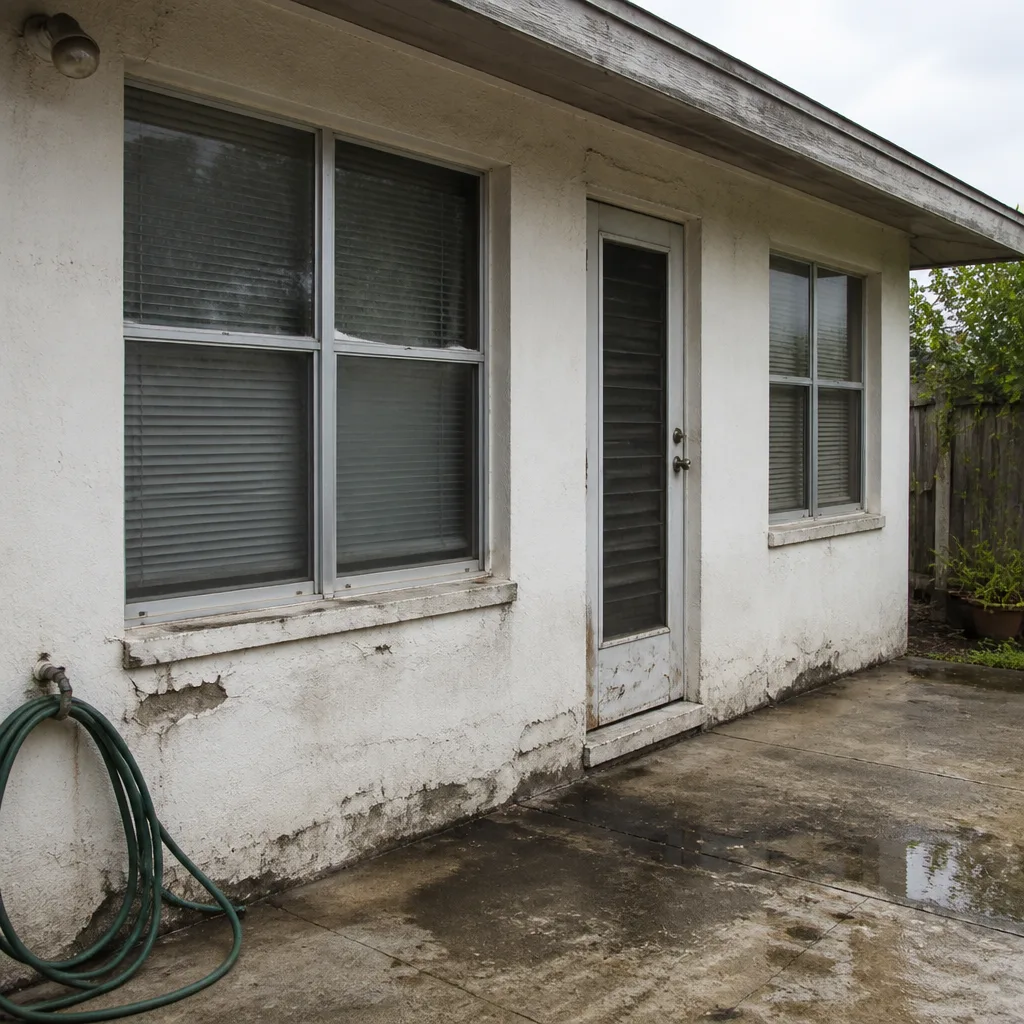 Before
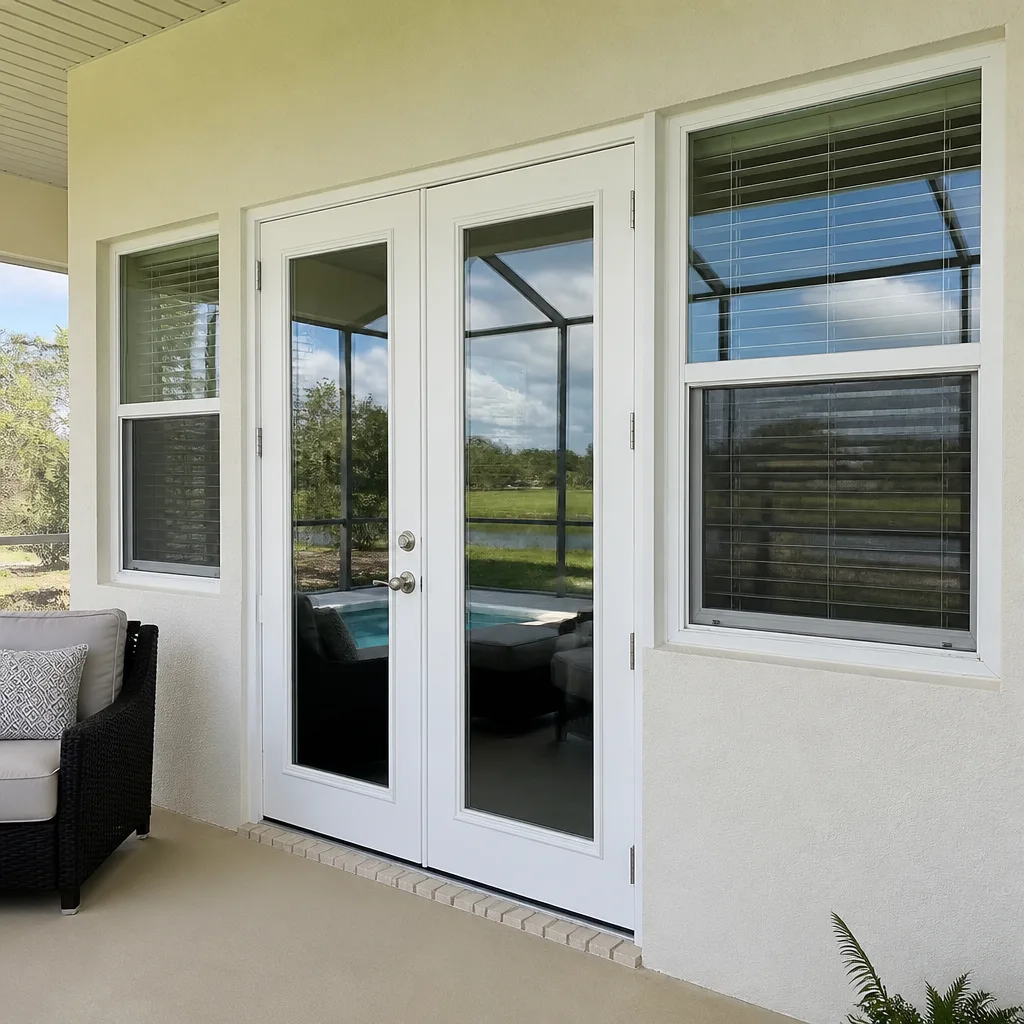 After
AfterTable of Contents
- Florida’s Owner-Builder Exemption: What It Actually Allows
- What Triggers a Permit vs. What Doesn’t
- Wind-Borne Debris Regions and Your Insurance Policy
- What a Licensed Contractor Brings Beyond Installation Skill
- Decision Matrix: Which Path for Your Opening
- Cost Comparison in the Clewiston Market
- The Documentation Difference: What You Keep
- Common Mistakes to Avoid
- When to Call a Professional
- Frequently Asked Questions
- The Bottom Line
Florida’s Owner-Builder Exemption: What It Actually Allows
Florida Statute 489.103(7) creates the owner-builder exemption, and it is narrower than most homeowners assume. The statute permits a property owner to act as their own contractor for construction, repairs, or improvements to a single-family residence intended for their own occupancy - not for sale or lease. The exemption applies to the act of contracting, not to the underlying permit requirements. You can serve as your own general contractor, but you cannot bypass the building department.
Here’s where Clewiston homeowners hit the wall. Hendry County Building Department requires all window and door replacements in residential structures to carry a permit. The permit application must list a licensed contractor or a qualified person as the responsible party. An owner-builder can file, but the building official retains authority to require proof of competency, and most jurisdictions in Florida’s High-Velocity Hurricane Zone - which includes all of Hendry County - will not issue glazing permits to unlicensed individuals. The structural and impact-rated product approval documentation exceeds what a homeowner can reasonably prepare.
The disclosure obligation is where the exemption turns toxic. Florida Statute 489.103(7)(a) requires owner-builders to disclose their status on the sales contract and to provide a list of all subcontractors used. More critically, Florida’s standard residential sale contract contains a specific disclosure for unpermitted work. A buyer’s title insurer or mortgage lender can require permit verification for any improvement made within the prior seven years. In Clewiston’s small real estate market, where cash buyers from agricultural and recreational land sales are common, that verification step often triggers a full inspection.
We’ve reviewed competitor quotes brought in for our Sightline Windows & Doors Clewiston home free second opinion service, and we’ve seen owner-builder window jobs from 2019 still creating title clouds in 2025. The original homeowner saved $800 on labor. The current seller is holding a $14,000 reduction to clear the permit gap.
What Triggers a Permit vs. What Doesn’t
The Florida Building Code draws a sharp line between maintenance and replacement. Understanding that line protects you from both code violations and unnecessary contractor spending.
Tasks That Do NOT Require a Permit
- Weatherstrip replacement. Removing and reinstalling compressible gaskets, pile weatherstrip, or bulb seals in existing kerfs. No frame modification, no glazing disturbance.
- Hardware replacement. Locksets, handles, hinges, and operators on existing doors and windows, provided the replacement hardware does not alter the structural performance or impact rating of the unit.
- Screen repair and replacement. New mesh in existing frames, or complete screen unit replacement in a removable track system.
- Interior caulking and sealant renewal. Cosmetic sealant replacement that does not penetrate to the rough opening or affect the water management system.
- Cleaning and lubrication. Track cleaning, roller lubrication, and operator maintenance that restores function without component replacement.
Tasks That DO Require a Permit
- Removal and replacement of any glazed unit, including insulated glass unit (IGU) replacement in existing sash
- Complete window or door unit replacement, including like-for-like swaps in the same rough opening
- Conversion from single-pane to dual-pane or impact-rated glazing
- Any modification to the rough opening dimensions, including header adjustment or sill modification
- Installation of new windows or doors in previously unpenetrated walls
- Replacement of non-impact-rated units with impact-rated units, even in the same frame profile
The permit trigger is not the difficulty of the task. It’s the building code’s classification of the work as structural or envelope-critical. In Clewiston’s climate, where summer afternoon thunderstorms deliver horizontal rain and tropical systems pressurize the building envelope, the code treats every glazed opening as a potential failure point. The permit process exists to verify that the product installed matches the product approved for that wind speed and exposure category.
Wind-Borne Debris Regions and Your Insurance Policy
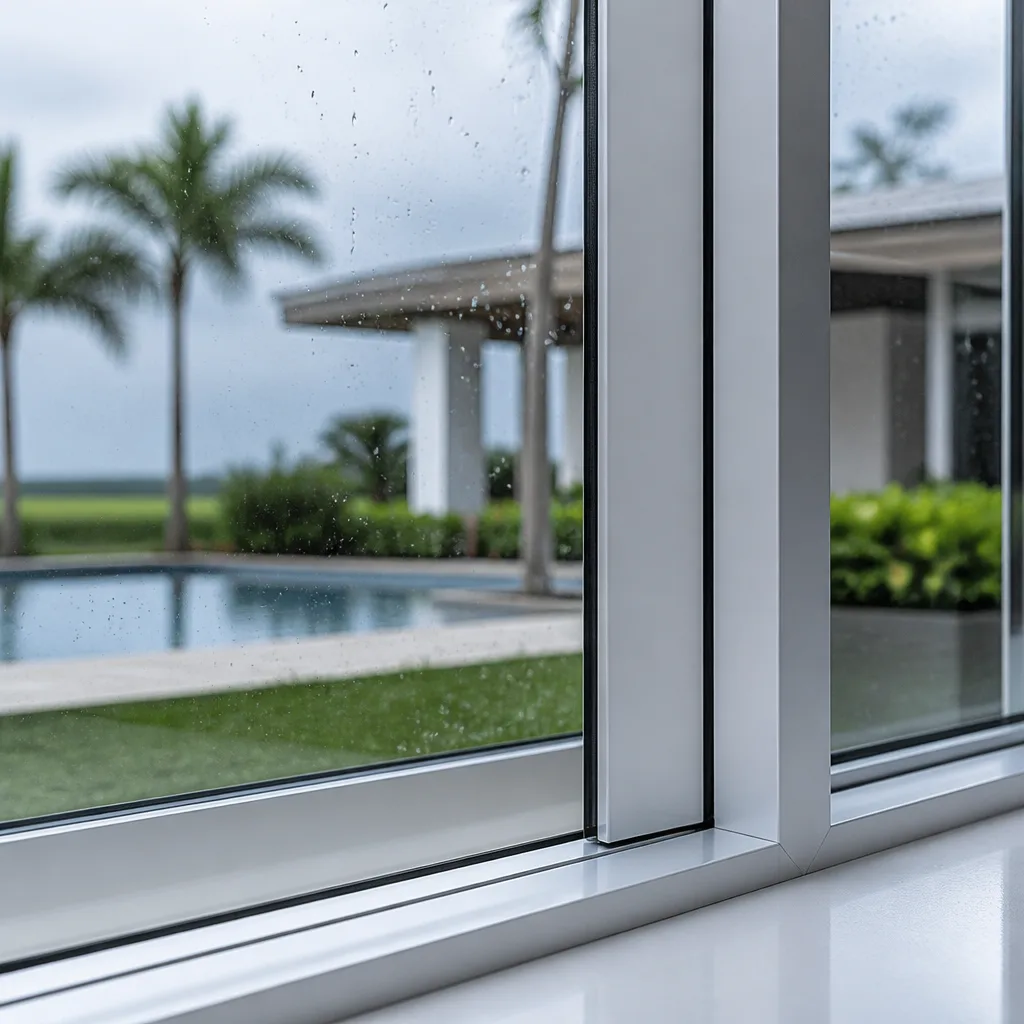
Every address in Clewiston sits within a wind-borne debris region as defined by the Florida Building Code. This is not a neighborhood distinction or a zone that stops at the city limit. The entire Hendry County mainland, from the Clewiston city center through the surrounding sugarcane and citrus lands to the Caloosahatchee River, falls within the region where the basic wind speed exceeds 120 mph and wind-borne debris protection is mandatory for all new construction and replacement installations.
What this means for insurance is where most homeowners discover the gap too late. Florida insurers do not simply trust that your windows are impact-rated. They verify. After Hurricane Ian in 2022, carriers across Southwest Florida tightened claims adjustment protocols. Adjusters now routinely request:
- Permit documentation for any window or door replacement within the policy period or prior seven years
- Product approval numbers (Florida Product Approval or Miami-Dade NOA) matching the installed units
- Installation certificates from licensed contractors, including final inspection sign-offs
- Photo documentation of installed product labels and fasteners
An unpermitted DIY install creates a documentation void. The product may be impact-rated. The installation may be competent. But without the permit trail and final inspection, the insurer can classify the opening as non-compliant with the Florida Building Code. That classification supports a coverage denial or a proportional reduction under the policy’s protective safeguards clause.
We’ve seen this in Clewiston specifically. A homeowner on Olympia Street replaced their own windows in 2021 with PGT WinGuard units purchased through a retail channel. The install was mechanically sound. After Hurricane Ian’s outer bands caused envelope damage, the adjuster noted the absence of permit documentation. The carrier denied the wind-related claim for those openings, citing failure to maintain code-compliant protective measures. The homeowner’s $340 product-per-opening savings became a $12,000 out-of-pocket replacement.
The critical point: insurance underwriters do not assess installation quality. They assess documentation completeness. A licensed contractor’s permit pull, product approval filing, and final inspection create the paper trail that keeps coverage intact.
What a Licensed Contractor Brings Beyond Installation Skill
A capable DIYer can measure a rough opening, level a sill, and drive a fastener. What they cannot do - what Florida law and building code intentionally reserve to licensed contractors - is the administrative and documentary work that makes the installation legally complete and insurable.
Product Approval Documentation
Every window and door installed in a Florida wind-borne debris region must carry a current Florida Product Approval or Miami-Dade Notice of Acceptance (NOA). These documents specify:
- Approved installation methods, including fastener type, spacing, and embedment depth
- Maximum opening dimensions and structural loading limits
- Compatible accessories and prohibited modifications
- Labeling requirements and verification procedures
A retail purchase does not automatically include the correct approval document for your specific application. A licensed contractor maintains current approval files for every product line they install. At Sightline, our eight manufacturer lines - including ECO Window Systems and Mr-Glass for impact-rated applications, Therma-Tru for entry systems, and PGT across multiple performance tiers - each carry approval packets matched to the Clewiston wind speed and exposure category.
Permit Pull Authority
Hendry County Building Department accepts permit applications only from licensed contractors or owner-builders who demonstrate construction competency. In practice, the building official requires a Florida-licensed contractor for all glazing permits. The contractor assumes legal responsibility for code compliance and inspection scheduling.
Liability Insurance Coverage
A licensed contractor carries general liability and workers’ compensation insurance that covers property damage during installation and injury on the job site. A homeowner’s policy typically excludes damage caused by the homeowner’s own construction work, and most policies contain specific exclusions for unpermitted improvements. If a DIY install damages interior finishes, the homeowner pays. If a contractor’s install causes damage, the contractor’s policy responds.
Final Inspection Sign-Off
The permit is not closed until the building inspector verifies installation against the approved plans and product documentation. This sign-off creates the final link in the chain that insurers, lenders, and future buyers will follow. A DIY install without this sign-off remains legally incomplete regardless of mechanical quality.
The Haven Standard Difference
Our Window Installation in Clewiston and Door Installation in Clewiston processes operate under the Haven Standard that has governed every one of our 18,000+ installations since 2012. Haven Clause 1 - Have it in writing - means the measured survey and written quote are the same document you keep. Haven Clause 4 - Evidence on every job - means the photo record documents condition before, progress during, and completion after. These are not marketing promises. They are the documentation that protects your property’s value and insurability.
Decision Matrix: Which Path for Your Opening
Use this matrix to determine the correct path for your specific situation. This is not a general recommendation. It is a fork-in-the-road based on opening condition, product requirement, and your long-term property plans.
| Opening Condition | Product Requirement | Your Timeline | Correct Path | Rationale |
|---|---|---|---|---|
| Existing window, functional frame, fogged glass only | Same IGU size, non-impact | Staying 10+ years, no sale planned | Licensed contractor for IGU replacement | IGU replacement requires permit; even long-term owners need insurable openings |
| Existing window, functional frame, fogged glass only | Same IGU size, non-impact | Selling within 5 years | Licensed contractor, full documentation package | Buyer inspection will flag unpermitted glass replacement; documentation required for clear title |
| Existing window, rotted frame, water intrusion | Full unit replacement, any rating | Any timeline | Licensed contractor, permitted install | Frame replacement modifies rough opening; permit mandatory; structural and envelope integrity at stake |
| Existing window, functional, seeking energy improvement | Dual-pane or low-E upgrade | Staying 10+ years | Licensed contractor, permitted install | Glazing change triggers permit; energy performance claims require documented U-factor and SHGC values |
| Existing window, functional, seeking energy improvement | Dual-pane or low-E upgrade | Selling within 5 years | Licensed contractor, permitted install, efficiency documentation for buyer | Buyers in Clewiston’s market increasingly request utility history; documented efficiency improvements support value |
| Existing door, operational, weatherstrip failed | No product change | Any timeline | DIY weatherstrip replacement | No permit trigger; maintenance task; use manufacturer-specified gasket profile |
| Existing door, hardware loose or failed | Like-for-like hardware | Any timeline | DIY hardware replacement | No permit trigger; ensure replacement does not alter latching or security function |
| Existing door, slab delamination or core failure | Full unit replacement | Any timeline | Licensed contractor, permitted install | Door replacement in wind-borne debris region requires impact rating verification and permit |
| New construction, previously unpenetrated wall | Any window or door | Any timeline | Licensed contractor, permitted install, engineered header if required | New opening is structural work; engineering and inspection mandatory; owner-builder exemption does not apply to structural modifications |
| Impact-rated upgrade for insurance discount | Impact-rated window or door | Any timeline | Licensed contractor, permitted install, wind mitigation inspection | Insurance discount requires wind mitigation form (OIR-B1-1802) signed by licensed inspector; unpermitted install disqualifies |
The pattern is consistent: any task that touches the glazing, the frame, or the rough opening requires a permit, and permit eligibility in Clewiston’s wind-borne debris region effectively requires a licensed contractor. DIY is confined to maintenance tasks that preserve existing function without altering components.
Cost Comparison in the Clewiston Market
Homeowners deserve specific numbers. These ranges reflect Clewiston’s market conditions in 2024-2025, including material costs, Hendry County permit fees, and contractor labor rates for window and door installation. Prices vary by opening size, access difficulty, and product tier.
DIY-Eligible Maintenance Tasks (No Permit Required)
| Task | Material Cost Range | Time Investment | Total Out-of-Pocket |
|---|---|---|---|
| Weatherstrip replacement, single window | $15-$35 | 1-2 hours | $15-$35 |
| Weatherstrip replacement, entry door | $25-$60 | 2-3 hours | $25-$60 |
| Hardware replacement, window operator | $40-$120 | 1-2 hours | $40-$120 |
| Hardware replacement, entry door lockset | $80-$250 | 2-4 hours | $80-$250 |
| Screen repair, standard window | $20-$45 | 30-60 minutes | $20-$45 |
Permit-Required Replacement Tasks (Licensed Contractor)
| Task | Product + Labor Range | Permit & Inspection Fees | Total Project Range |
|---|---|---|---|
| Single window replacement, vinyl, non-impact | $650-$1,100 | $150-$250 | $800-$1,350 |
| Single window replacement, impact-rated | $1,200-$2,400 | $150-$250 | $1,350-$2,650 |
| Sliding glass door replacement, impact-rated | $2,800-$5,500 | $200-$350 | $3,000-$5,850 |
| Entry door replacement, fiberglass, impact-rated | $2,200-$4,000 | $200-$350 | $2,400-$4,350 |
| Whole-house window package, 12-15 openings, impact-rated | $18,000-$32,000 | $18,400-$32,700 |
The DIY savings on permit-required work are illusory. A homeowner who purchases impact-rated windows retail at $800 per unit and self-installs avoids labor charges of roughly $400-$600 per opening. But they still face:
- Permit application fees (if the building department accepts owner-builder filing): $150-$250
- Wind mitigation inspection for insurance documentation: $150-$300
- Potential re-inspection fees for code corrections: $100-$200 per visit
- Tool and equipment rental for proper installation: $200-$500
- The unquantified cost of documentation gaps at resale or claims time
At Sightline, our Window Replacement in Clewiston pricing includes the permit, inspection scheduling, and documentation package as standard. The written quote you receive before any work starts - Haven Clause 1 - is the same document that governs the final invoice. No change orders, no permit surprises, no documentation gaps.
The Documentation Difference: What You Keep
The gap between DIY and professional installation is most visible in the paperwork that survives the work. This documentation determines insurability, resale value, and warranty enforceability.
What a DIY Install Typically Produces
- Retail receipt for product purchase
- Possibly a manufacturer warranty card (often voided by unlicensed installation)
- No permit documentation
- No inspection record
- No installation certificate for insurance or wind mitigation
- No photo record of conditions or work progression
What a Sightline Installation Produces Under the Haven Standard
- Measured survey. The document you keep, showing opening dimensions, frame conditions, and sightline measurements taken before product selection. This becomes the basis for the written quote and the installation plan.
- Written scope and quote. Haven Clause 1 - the measurement and the quote are the same document. Product specifications, performance values (U-factor, SHGC, design pressure), and total project price are fixed before work begins.
- Permit application and approval. Filed under our license, with product approval documentation attached. You receive the approved permit card for your records.
- Installation photo record. Haven Clause 4 - condition before, rough opening preparation, flashing and sealing details, final installation, and cleanup. Stored and provided to you.
- Final inspection sign-off. Building inspector’s approval, closing the permit and creating the public record of code-compliant installation.
- 365-Day Done Right Promise documentation. Written confirmation that any issue arising within one year is corrected at no charge - not a verbal assurance, but a stamped obligation under the Haven Standard.
- Wind mitigation support. Installation certificate and product documentation for your insurance agent or wind mitigation inspector, supporting premium discounts where applicable.
In Clewiston’s market, where agricultural land sales and seasonal residence purchases create transaction velocity, this documentation package is not administrative overhead. It is property value protection. A seller with complete installation records commands clear title and buyer confidence. A seller with gaps faces price reductions, repair escrows, or failed contracts.
Common Mistakes to Avoid
- Assuming the owner-builder exemption bypasses permits. The exemption allows you to act as contractor, not to ignore the building department. In Hendry County, glazing permits are mandatory and the building official will not issue to unqualified applicants.
- Buying impact-rated products without verifying Florida Product Approval. A window may carry an impact rating from another state or a generic test report. Only Florida Product Approval or Miami-Dade NOA satisfies the building code and insurance requirements in Clewiston.
- Installing approved products with unapproved methods. The NOA specifies fastener type, spacing, and embedment. Substituting generic screws or skipping prescribed anchor points voids the approval and creates a non-compliant installation.
- Failing to disclose owner-builder work at resale. Florida’s disclosure requirements are strict. Nondisclosure of unpermitted work can trigger rescission, fraud claims, or title insurance exclusions.
- Assuming homeowner’s insurance covers DIY construction damage. Most policies exclude damage caused by the insured’s own improvement work. A dropped unit, water intrusion from improper flashing, or structural damage from rough opening modification is your expense.
- Neglecting the wind mitigation inspection for insurance discounts. Even a permitted, professionally installed impact-rated opening does not automatically reduce premiums. The wind mitigation form (OIR-B1-1802) must be completed by a licensed inspector, and the installation documentation must support every claimed feature.
- Choosing product by price without matching to opening requirements. A $600 non-impact window in a wind-borne debris region is not a savings. It is a code violation and an insurance exposure. The correct product is determined by the opening’s exposure, height, and structural loading, not by budget alone.
When to Call a Professional
Call a licensed contractor when any of the following apply: the opening requires a permit; the product must be impact-rated; you intend to sell within seven years; your insurance policy requires wind mitigation documentation; the rough opening needs modification; or you cannot verify Florida Product Approval for your selected product. These conditions cover nearly all window and door work in Clewiston.
Sightline Windows & Doors Clewiston offers free estimates throughout Clewiston and Hendry County. Every estimate begins with a measured survey you keep, and the written quote cannot differ from that document. Our technicians are background-checked, uniformed, and identified by license number before arrival. Call (863) 509-1135 to schedule your free estimate.
Frequently Asked Questions
You can perform maintenance tasks like weatherstrip and hardware replacement, but full window replacement requires a building permit that Hendry County typically issues only to licensed contractors. The owner-builder exemption does not override local permit requirements or the documentation standards of wind-borne debris regions. Call (863) 509-1135 for an exact quote on your specific openings - estimates are free.
A single non-impact vinyl window replacement ranges from $800 to $1,350 including permit and inspection. Impact-rated units range from $1,350 to $2,650. Whole-house packages for 12-15 openings typically run $18,400 to $32,700 with all documentation included. These are 2024-2025 market ranges for the Clewiston area; product tier and access difficulty move the number. Call (863) 509-1135 for a written quote based on your measured survey.
Most Florida homeowner’s policies exclude damage caused by the insured’s own construction or improvement work. More critically, insurers can deny wind-related claims for openings that lack permit documentation and final inspection sign-off, regardless of installation quality. The coverage issue is documentation, not craftsmanship. Call (863) 509-1135 to discuss how permitted installation protects your coverage.
Florida law requires disclosure of owner-builder status and unpermitted improvements on residential sale contracts. Buyer’s lenders and title insurers can require permit verification, and many demand licensed inspection of unpermitted work. We’ve seen sellers in Hendry County absorb price reductions of $10,000 or more to clear permit gaps from prior DIY installations. Call (863) 509-1135 for a free second opinion on any written estimate - we can assess documentation requirements for your sale timeline.
Yes. Every address in Clewiston falls within a wind-borne debris region under the Florida Building Code. New construction and replacement installations must use impact-rated products or approved alternative protection systems. Non-impact units installed in these regions violate code and create insurance exposure. Sightline specifies products from PGT, ECO Window Systems, Mr-Glass, and other approved lines matched to your opening’s performance requirements. Call (863) 509-1135 for product selection guidance.
You should receive: a measured survey showing opening dimensions and conditions; a written quote that matches the survey; permit application and approval; product approval documentation for your specific units; installation photo record; final inspection sign-off; and written warranty or promise documentation. At Sightline, this package is standard under the Haven Standard, not an upsell. Every customer receives the complete file. Call (863) 509-1135 to schedule your estimate and receive your measured survey.
Verify any contractor through the Florida Department of Business and Professional Regulation at www.myfloridalicense.com. Request the license number before scheduling work, and confirm it is current and in good standing. Sightline technicians arrive with license numbers identified in advance - Haven Clause 3, Verified Crews. You can verify our status at any time. Call (863) 509-1135 and we’ll provide the number before we schedule.
The Bottom Line

In Clewiston, the DIY versus professional decision for windows and doors is a legal and documentation question first, a skill question second. Florida’s owner-builder exemption allows limited maintenance work, but any glazing replacement in this wind-borne debris region requires permitted installation with approved products and final inspection. The risk of DIY is not a failed seal or a crooked frame. It is an uninsurable opening that survives quietly until a claims adjuster, a buyer’s inspector, or a title agent discovers the gap. The savings on labor evaporate against denied claims, sale price reductions, or forced re-installation. A licensed contractor brings permit authority, product approval documentation, liability coverage, and the inspection sign-off that keeps your property insurable and marketable. For work that touches the envelope, the documentation is the installation. Browse more guides & resources on protecting your Clewiston home.
Written by Sonia Raman, Owner at Sightline Windows & Doors Clewiston, serving Clewiston since 2012.
Six Reasons Homeowners Choose Sightline Windows & Doors Clewiston
Impact systems engineered to design pressures up to +/-100, matched to your wind zone - your openings hold when the storm arrives.
Low-E insulated impact glass from our manufacturer lines commonly cuts monthly cooling bills 20-30%.
Laminated impact glass shuts out up to 40% of outside noise - traffic, neighbors, weather.
Monitoring services run $30-90 a month. Laminated impact glass resists forced entry around the clock, with no subscription.
Florida homeowners average around 25% savings on the windstorm portion of their policy after protecting every opening - some homes qualify for more.
A full impact package upgrades curb appeal, buyer confidence and appraised value in one project.
Other Sightline Windows & Doors Clewiston Services